
Car Insurance in California for Newcomers
Car insurance in California can feel confusing — especially for people arriving from Japan, where the insurance system works very differently. Coverage types, legal requirements, and claim costs are structured in another way, and many newcomers are unsure what is actually required before they start driving.
Because of this confusion, some drivers delay getting proper coverage or misunderstand what their policy includes. That can lead to fines, vehicle impound, or serious financial problems after an accident.
This guide explains how car insurance works in California in simple terms, so Japanese drivers can prepare correctly and drive with confidence.
Is Car Insurance Mandatory in California?
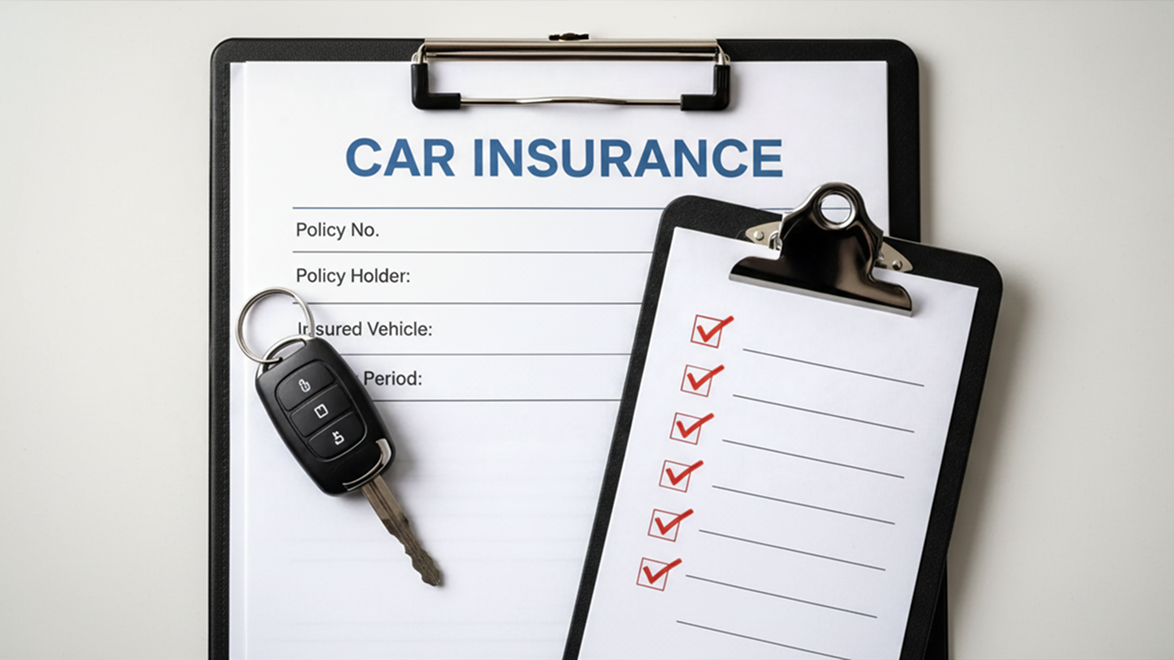
Yes — car insurance is legally required in California. If you operate a vehicle, you must carry at least the state minimum level of liability insurance. This rule applies even for short trips and occasional driving.
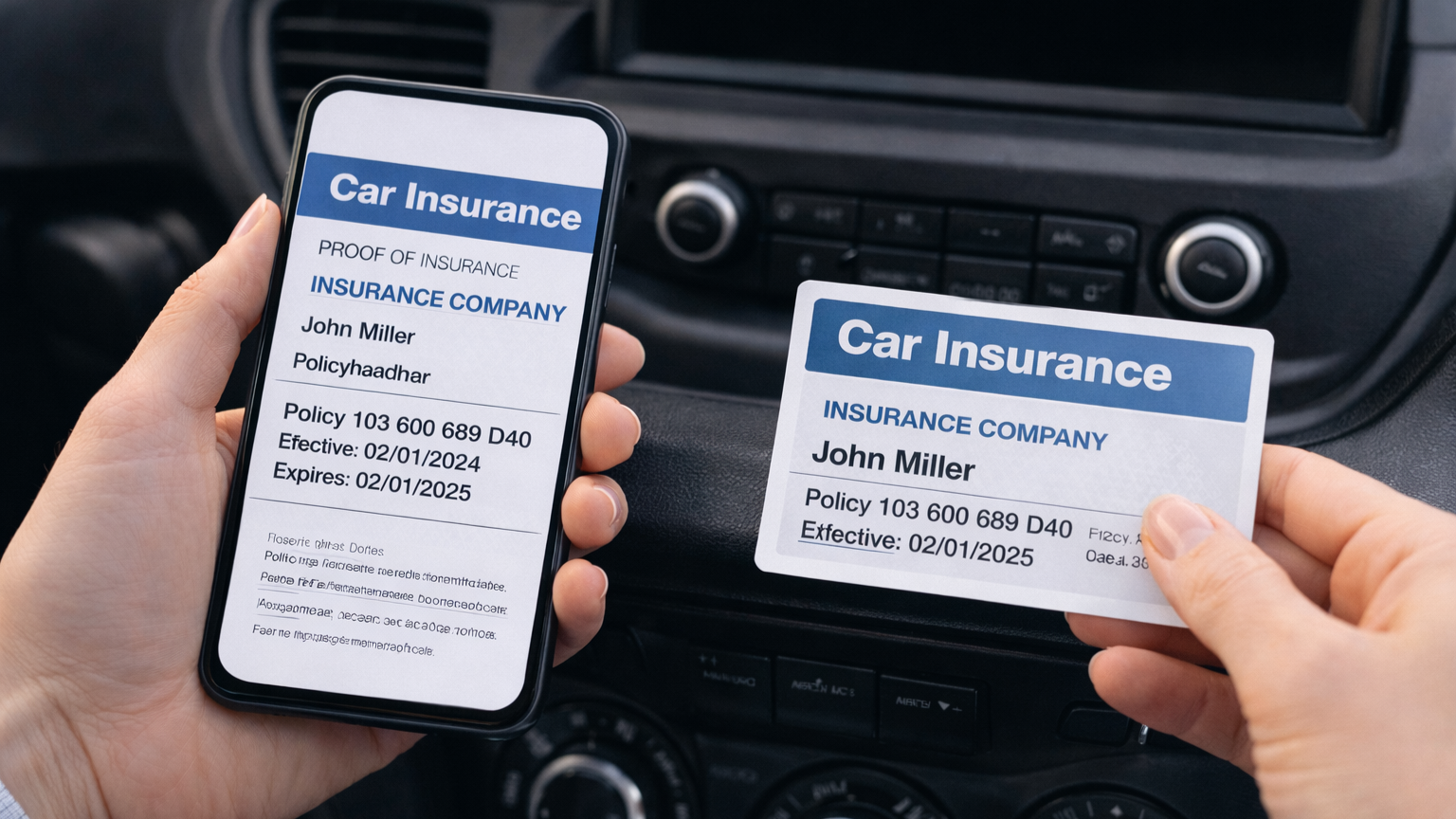
Police may ask for proof of insurance during a traffic stop, and proof is always required if you are involved in an accident. Driving without valid insurance is illegal regardless of intent or distance.
What Liability Insurance Actually Covers
The legal minimum coverage in California is called liability insurance. This protects other people if you cause an accident. It is designed to pay for damage or injury you are responsible for — not your own vehicle repairs.
Liability coverage generally pays for:
- injury to other people
- damage to another vehicle
- damage to property such as buildings or fences
It does not pay for your own car damage. Because U.S. repair and medical costs can be high, many drivers choose higher limits than the minimum requirement.
What Happens If You Drive Without Insurance?
Driving without insurance creates both legal and financial risk. Even a small accident can become extremely expensive if you are not covered, because you may be personally responsible for all costs.
Possible consequences include:
- fines and court penalties
- vehicle impound
- license renewal problems
- full personal payment for accident damage
Understanding insurance before you begin regular driving is one of the most important preparation steps.
Insurance for Rental Cars Works Differently
Insurance coverage is structured differently when you rent a car. Protection may come from several sources depending on how you book and how you pay. Many newcomers assume rental coverage is automatic, but that is not always true.
Rental coverage may come from:
- insurance offered by the rental company
- credit card coverage (with limits and conditions)
- short-term insurance policies
Rental companies will still verify your identity and driving eligibility before releasing the vehicle.
Insurance Is Required Before Driving a Purchased Car
If you buy a car in California, insurance must be active before you drive it. You cannot legally drive a newly purchased vehicle home without coverage already in place.
In practice, this means insurance is needed to register the vehicle, the DMV requires proof of coverage, and the policy must remain active while the car stays registered. Even a short uninsured drive after purchase is illegal.
Why the U.S. Insurance System Feels Different from Japan
Many Japanese drivers are surprised by how the U.S. system is structured. Risk exposure, claim patterns, and legal processes are different, which changes how coverage is designed and priced.
Key differences include:
- insurance often follows the driver, not only the vehicle
- accident claims and lawsuits are more common
- medical and repair costs are higher
- coverage limits vary widely
Because of these differences, choosing appropriate coverage is especially important for long-term residents.
Insurance and Your License Status
Insurance responsibility is closely tied to your license status and length of stay. Short-term visitors sometimes use temporary coverage options, while long-term residents are expected to maintain continuous insurance.
Active insurance is also required when applying for or maintaining a California driver’s license. Keeping your policy current prevents administrative and legal complications later.
Common Misunderstandings to Avoid
Several insurance myths cause problems for newcomers. These ideas are common — and incorrect:
- “I don’t need insurance if I drive carefully”
- “Insurance is optional for short trips”
- “Rental insurance always covers everything”
Early clarification prevents expensive mistakes.
Summary
Car insurance is a required part of legal driving in California. While the system may feel unfamiliar at first, the core structure is straightforward once explained. The most important thing is to arrange proper coverage before driving regularly.
Remember:
- insurance is required by law
- liability coverage is the legal minimum
- uninsured driving has serious consequences
- rental and owned cars use different coverage setups
Preparing early helps you avoid stress and drive confidently in California.
Frequently Asked Questions
Do I need insurance if I only drive occasionally?
Yes. Any time you drive in California, insurance is required.
Does my Japanese insurance cover driving in California?
Usually no. Most Japanese insurance policies do not cover long-term driving in the U.S.
Can I buy a car before getting insurance?
You must have insurance before legally driving or registering the car.
Enjoying this guide?
Get the next one in your inbox — no spam.
Get Notified When Courses Launch
Be the first to know when our DMV-licensed traffic courses become available. No spam, just one email.