
Common Driving Mistakes Japanese Drivers Make in the U.S.
Many Japanese drivers in California receive traffic tickets not because they are unsafe drivers, but because of small habit differences and rule misunderstandings. Driving behavior that feels normal in Japan can sometimes violate U.S. traffic rules.
U.S. traffic laws often look simple, but enforcement is strict — especially for behaviors that seem minor or harmless. Knowing these differences early can prevent tickets and stressful roadside stops.
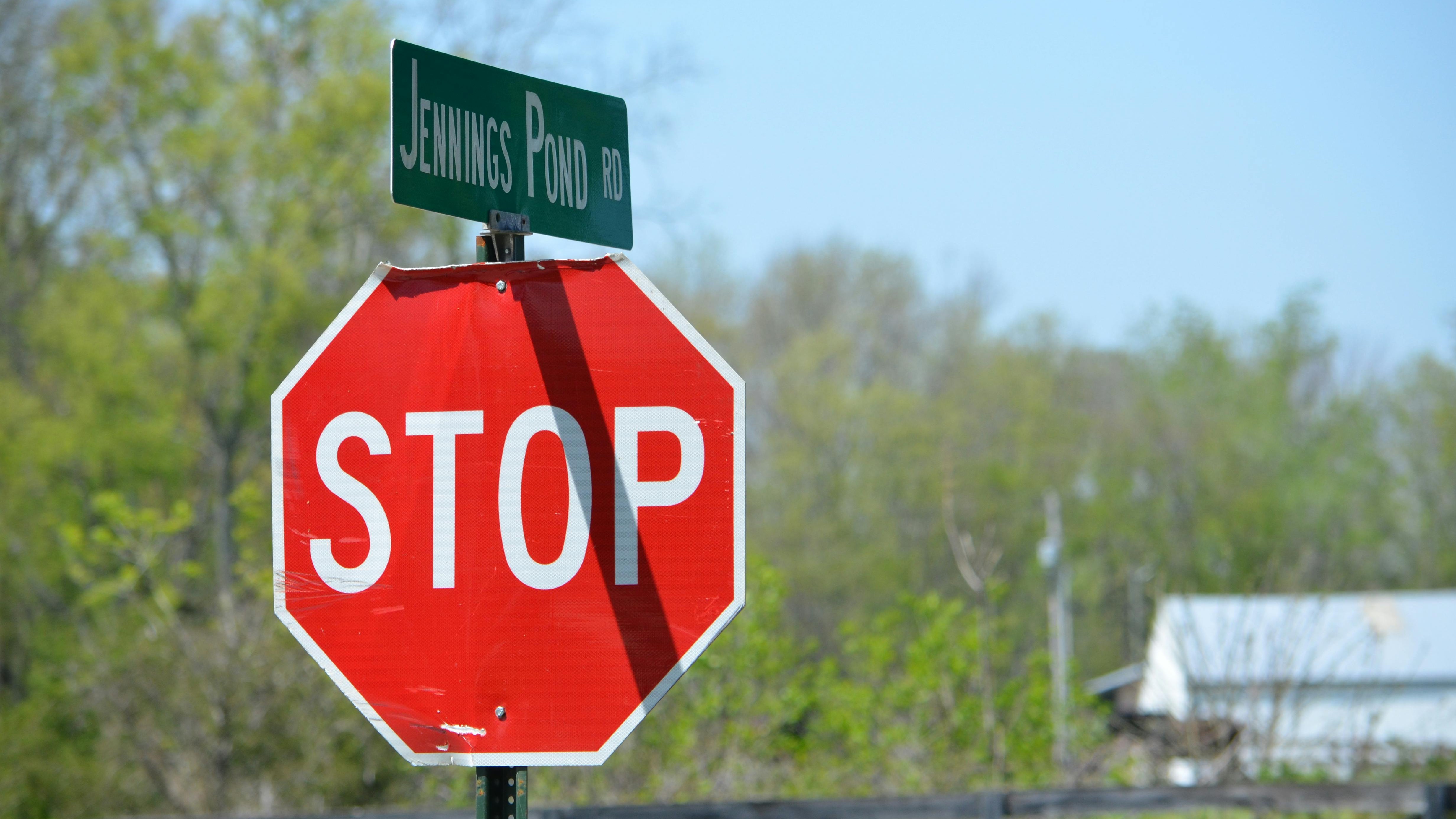
This guide explains the most common driving mistakes Japanese drivers make in the U.S., why they happen, and how to avoid them.
Why These Mistakes Happen
Most mistakes are not caused by reckless driving. They happen because drivers naturally carry over habits from Japan into a rule system that looks similar but operates differently in practice.
Common reasons include:
- Japanese driving habits carrying over
- rules that look similar but function differently
- stricter enforcement expectations
- lower tolerance for “almost correct” behavior
Understanding the cause makes correction much easier.
Rolling Through STOP Signs
This is one of the most common ticket reasons for newcomers. In California, a STOP sign has a very literal meaning.
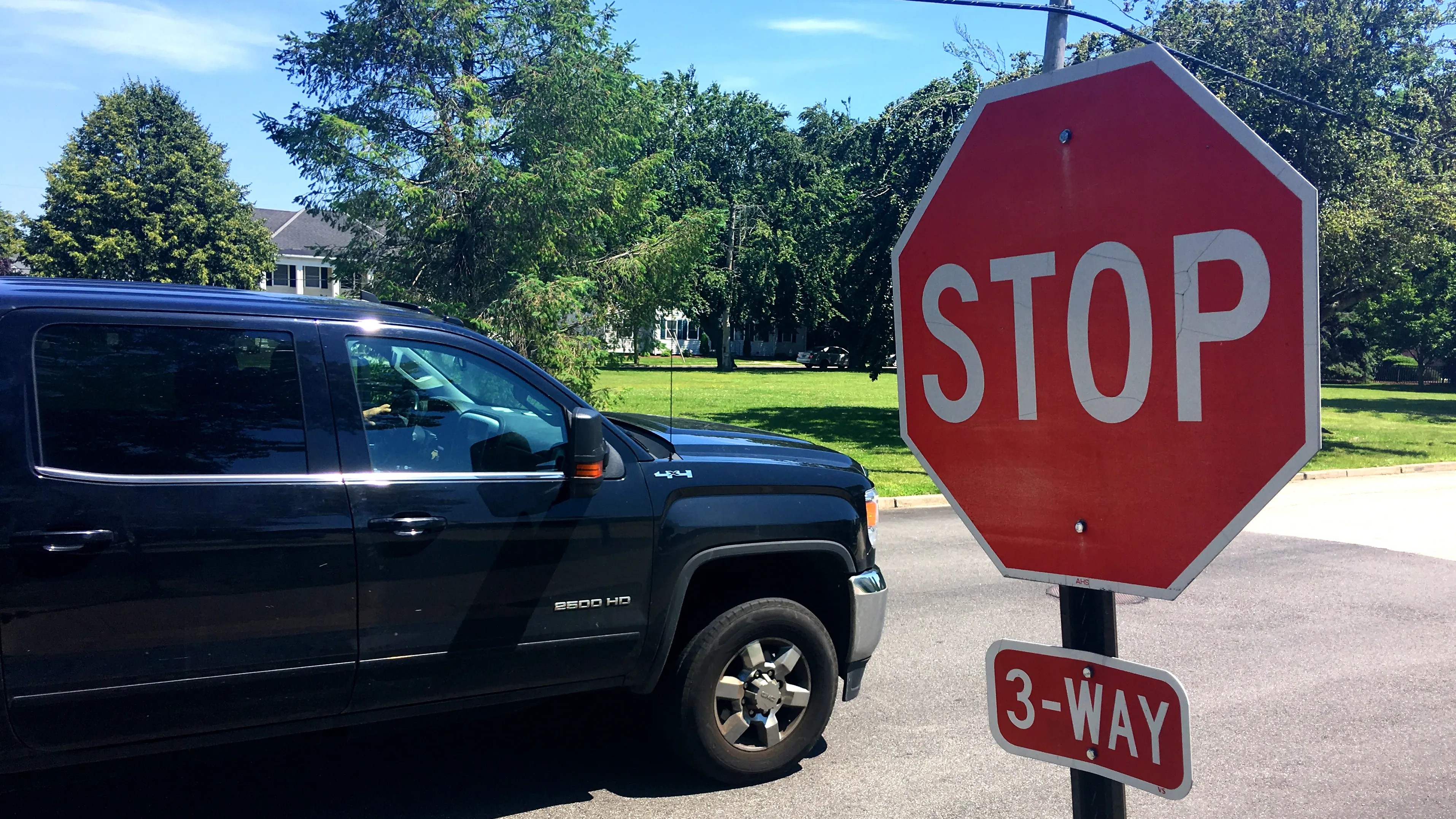
A legal STOP requires:
- a complete wheel stop
- stopping before the stop line or crosswalk
- pausing before moving again
Slowing down without fully stopping is still considered a violation.
Turning Right on Red Without a Full Stop
Right turn on red is commonly allowed — but only after a complete stop.
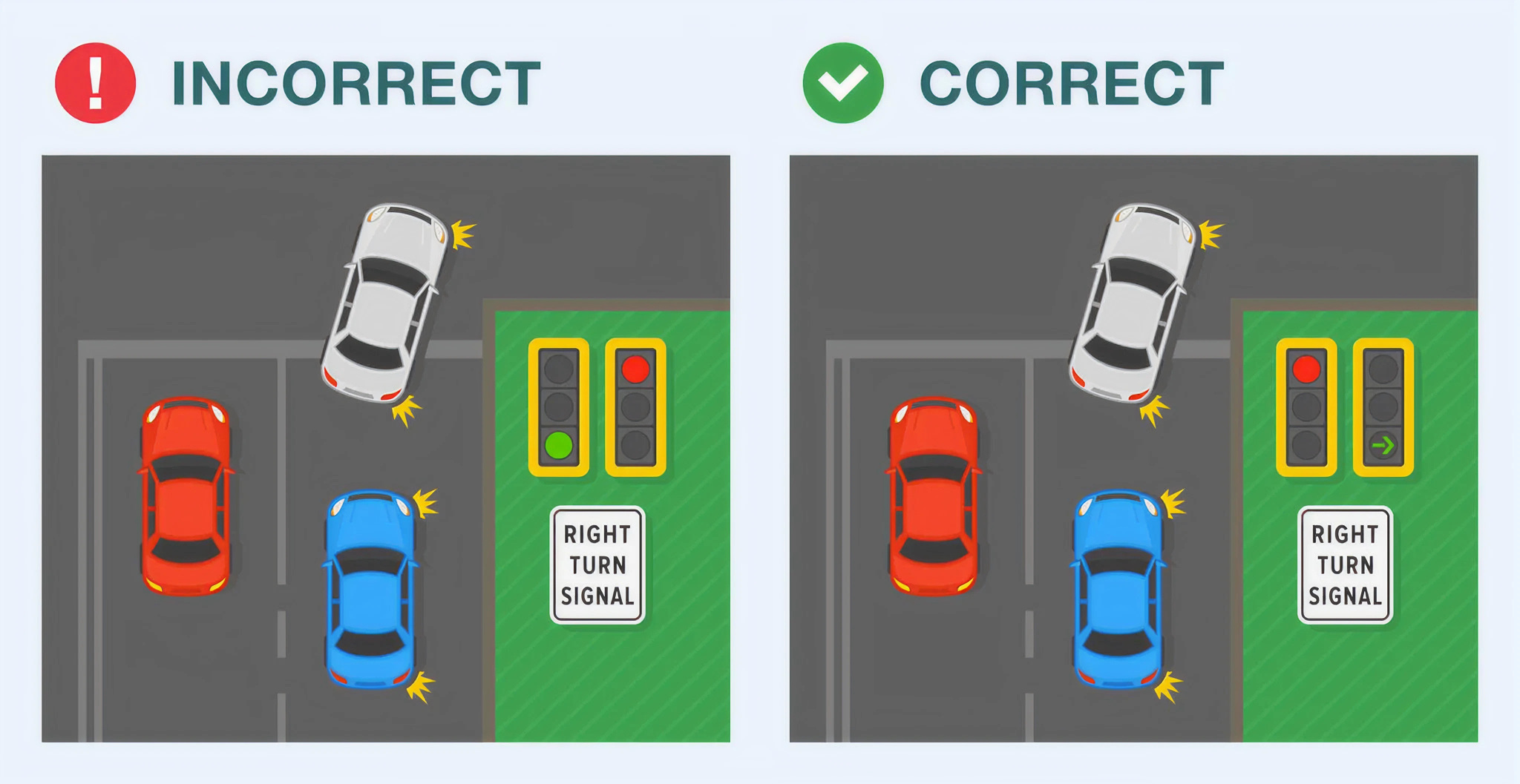
Many drivers misunderstand this and treat it like a yield.
Common incorrect behavior:
- slowing and turning without stopping
Correct sequence:
- full stop first
- check pedestrians
- check cross traffic
- turn only when safe
Police often monitor right-turn-on-red intersections.
Not Yielding to Pedestrians
Pedestrian right-of-way is enforced very strictly in California. This surprises many newcomers.
Common mistakes include:
- turning while pedestrians are crossing
- not stopping when someone steps into a crosswalk
- assuming distance makes it acceptable to continue
Drivers are generally expected to stop once a pedestrian enters the crosswalk.
Driving Slightly Over the Speed Limit
California speed limits are legal limits, not suggestions. Even small overages can result in a stop depending on location and enforcement patterns.
Important realities:
- small overages can be cited
- enforcement varies by area
- school and residential zones are watched closely
- radar enforcement is common
Do not rely on the behavior of surrounding drivers.
Lane Changes Without Proper Signaling
Turn signals are treated as required communication, not courtesy. Timing matters.
Common signaling mistakes:
- signaling too late
- signaling during the lane change instead of before
- changing lanes without signaling
Proper early signaling reduces both risk and citation chances.
Parking Violations
Parking tickets are one of the most common newcomer penalties because rules are highly localized and sign-based.
Typical parking mistakes include:
- ignoring time limits
- parking near fire hydrants
- misreading curb colors
- missing street cleaning restrictions
Parking enforcement is frequent and consistent.
Assuming Rules Are Flexible
One major adjustment for many Japanese drivers is that California traffic enforcement is rule-based, not situation-based. Officers usually enforce the written rule even if the violation feels minor.
Risky assumptions include:
- “It was only for a moment”
- “I slowed down enough”
- “There was no one around”
Written rules control outcomes.
How to Avoid These Mistakes
Most of these problems disappear when drivers become more deliberate during their first months of U.S. driving.
Helpful prevention habits:
- drive more cautiously than feels necessary
- fully stop whenever required
- read every posted sign
- signal earlier than you think you need to
- choose the safer interpretation when unsure
Early awareness prevents most tickets.
Summary
Most tickets issued to Japanese drivers come from habit differences, not dangerous driving. The rules are clear once you know where they differ.
Key mistakes to avoid:
- rolling stops
- incomplete right turns on red
- failing to yield to pedestrians
- small speeding overages
- late or missing signals
With awareness and small adjustments, these mistakes are easy to prevent.
This article is part of the Daily Driving & Rule Differences series.
Frequently Asked Questions
Are police stricter with foreign drivers?
No, but enforcement is consistent regardless of background.
Are parking tickets common?
Yes. Parking enforcement is frequent in many cities.
Can small mistakes really lead to tickets?
Yes. Minor violations are commonly enforced.
Enjoying this guide?
Get the next one in your inbox — no spam.
Get Notified When Courses Launch
Be the first to know when our DMV-licensed traffic courses become available. No spam, just one email.