
What Documents You Must Carry While Driving in California
Driving in California means more than just knowing traffic rules. Drivers are also expected to carry specific documents whenever they are behind the wheel. Police officers may request these documents during routine stops, accidents, or vehicle checks.
For Japanese drivers and newcomers, this can feel stressful — especially during a traffic stop when you may not be sure what officers will ask for. This guide explains exactly which documents you must carry while driving in California, why they matter, and how to prepare so you can drive calmly and confidently.
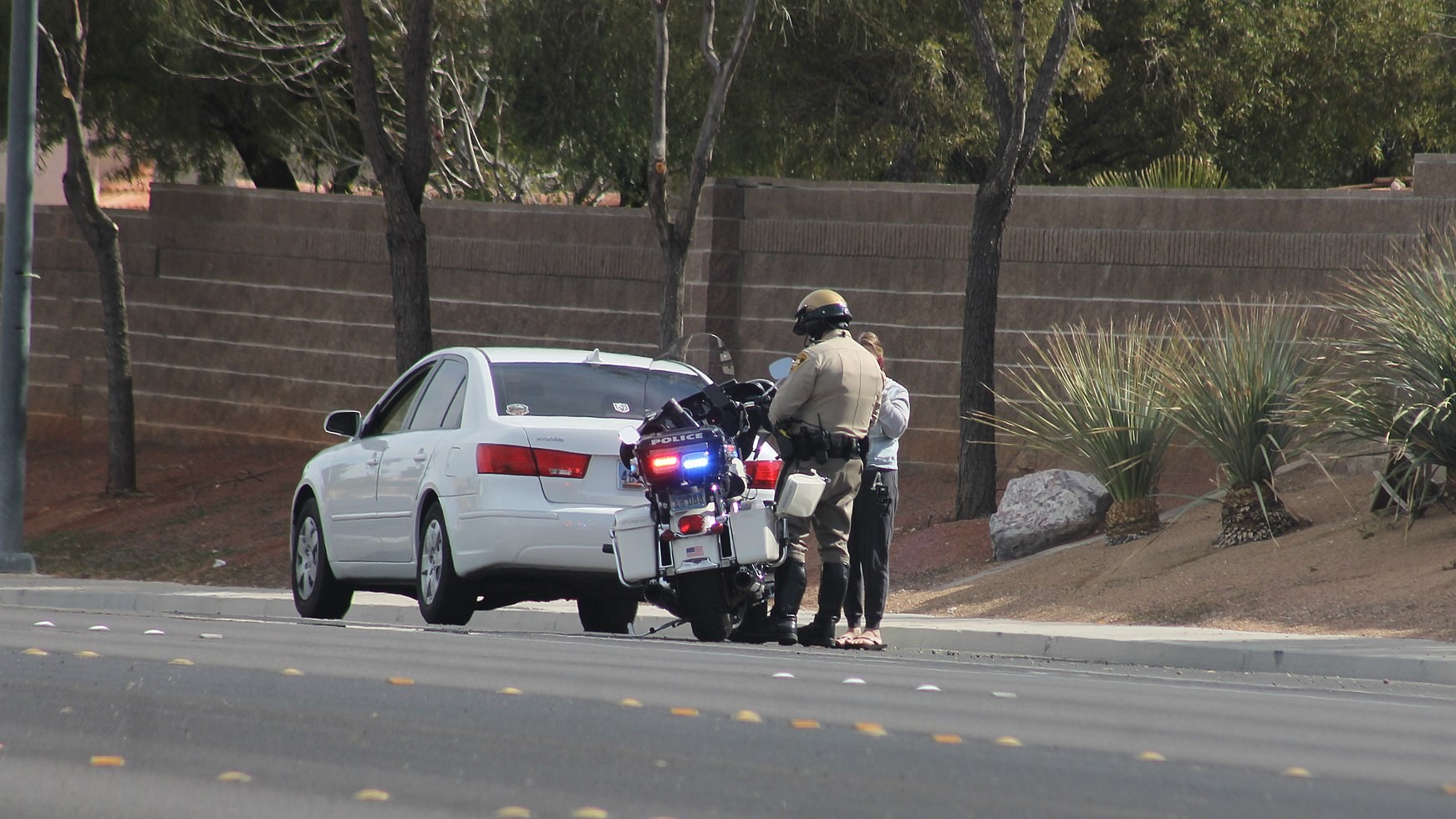
Why Carrying the Right Documents Matters
In California, officers are allowed to stop drivers for traffic violations, vehicle checks, or accidents. During a stop, they verify both the driver and the vehicle through documentation.
Police typically check that:
- you are legally allowed to drive
- the vehicle is registered
- the vehicle is insured
If you cannot show the proper documents, the situation may take longer and can result in penalties.
Possible consequences include:
- citations or fines
- longer roadside delays
- additional legal steps later
Preparing in advance prevents unnecessary stress.
Required Documents When Driving in California
When driving in California, you should always have certain documents available. These confirm your legal driving status and the legal status of the vehicle.
The required items are listed below.
1. Driver’s License
You must carry a valid driver’s license at all times when driving. This is the first document officers will request.
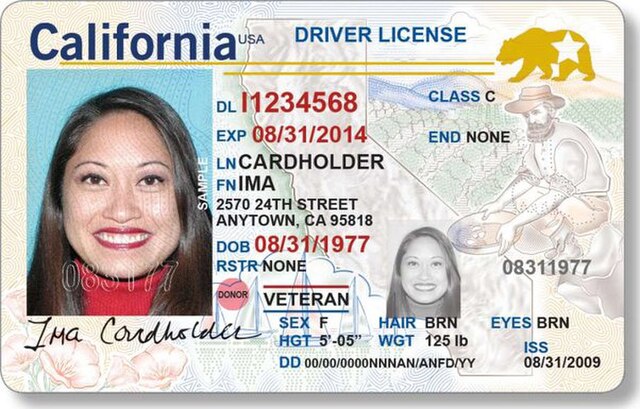
For Japanese drivers, this may be:
- a Japanese driver’s license (temporary use period)
- a California driver’s license (after you obtain one)
Your license must be:
- valid and not expired
- appropriate for the vehicle type
Driving without a valid license can lead to citations.
2. International Driving Permit (IDP) — If Using a Japanese License
If you are driving with a Japanese license, an International Driving Permit (IDP) is strongly recommended. While not always legally required, it is widely expected in practice.
An IDP helps because it:
- serves as an official English translation
- helps officers read your license
- is often required by rental companies
Important IDP rules:
- must be issued in Japan before departure
- IDPs issued in the U.S. are not valid
3. Proof of Car Insurance
California law requires drivers to carry proof of insurance. Officers frequently request this document during stops and accidents.
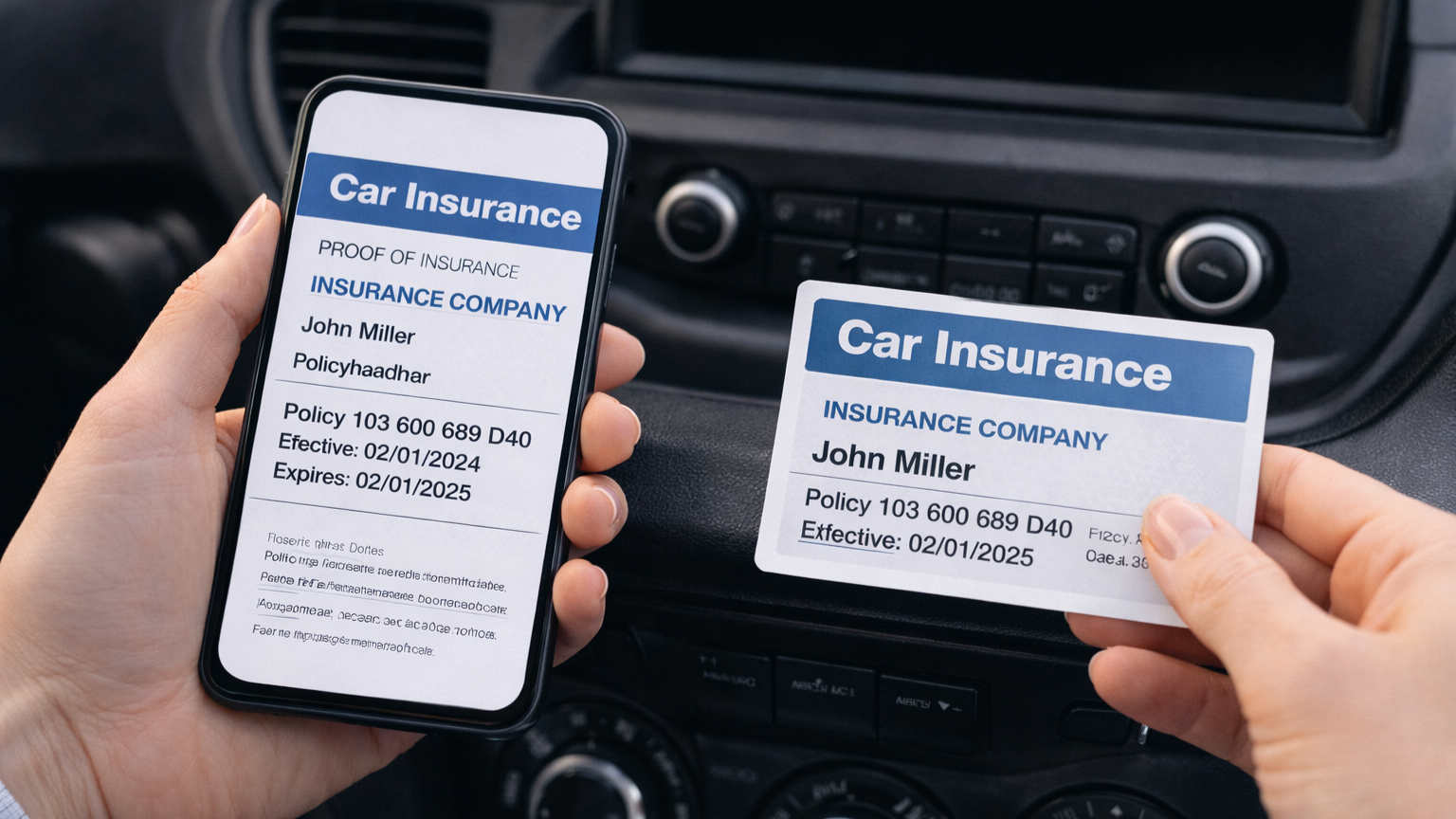
Proof of insurance may be shown as:
- a physical insurance card
- a digital insurance card on your phone
Insurance proof may be requested during:
- traffic stops
- accidents
- vehicle checks
Driving without insurance — or without proof — can result in penalties.
4. Vehicle Registration (If You Own the Car)
If you own the vehicle, you must carry vehicle registration documents. This confirms the car is properly registered with the DMV.
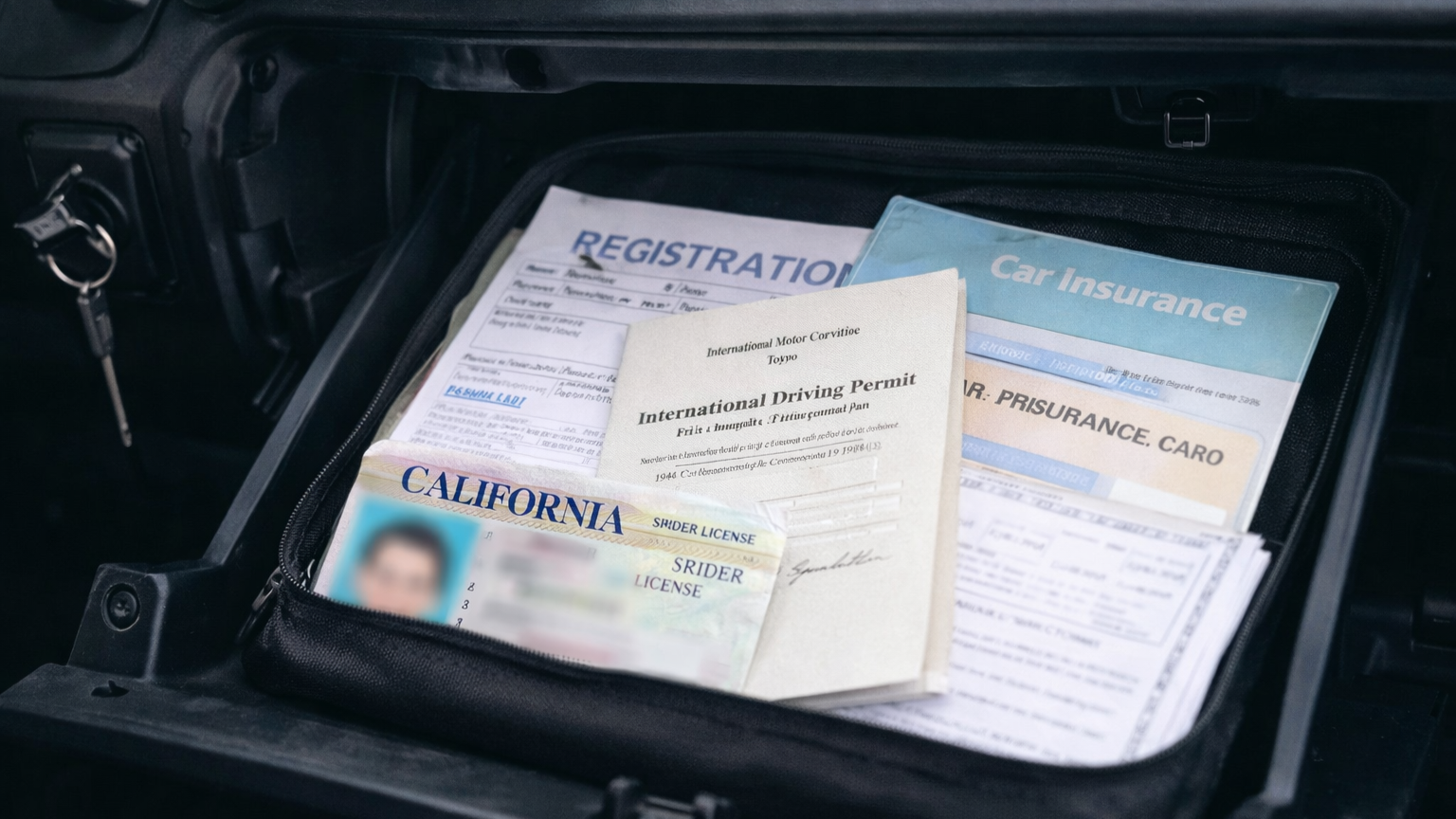
Registration shows:
- the vehicle is legally registered
- the vehicle is authorized for road use
Registration is usually stored in the car, often in the glove compartment.
What About Passports or Visas?
In normal driving situations, you are not required to carry your passport or visa while driving. Routine traffic stops focus on license, insurance, and registration — not immigration documents.
Most stops do not involve immigration status questions. Some drivers still carry additional ID for personal reassurance, but it is not required for driving.
What Happens If You Don’t Have the Documents with You
Even if your documents are valid, failing to carry them during a stop can still create problems. Officers evaluate what you can show at that moment.
Possible outcomes include:
- a citation (ticket)
- a requirement to show proof later in court
- added inconvenience and delay
Having documents — but not carrying them — can still result in penalties.
Tips for Staying Organized
Simple organization makes traffic stops much easier. Keeping everything in one place reduces confusion under pressure.
Helpful habits include:
- keeping documents together in the glove compartment
- using a small folder or pouch
- saving digital insurance proof on your phone
- checking expiration dates regularly
Organization supports calm interactions.
Summary
When driving in California, you should always carry the key required documents. Officers expect immediate proof of driving eligibility, insurance, and registration status.
You should always have:
- a valid driver’s license
- an IDP (if using a Japanese license)
- proof of car insurance
- vehicle registration (if you own the car)
Having these ready helps you avoid fines, reduce stress, and drive with confidence.
This article is part of the Your First Weeks Driving in California series.
Frequently Asked Questions
Do I need to carry my passport while driving?
No. A passport is not normally required for driving.
Is a digital insurance card acceptable?
Yes. California accepts digital proof of insurance.
What if I forget my documents at home?
You may still receive a ticket even if the documents are valid.
Enjoying this guide?
Get the next one in your inbox — no spam.
Get Notified When Courses Launch
Be the first to know when our DMV-licensed traffic courses become available. No spam, just one email.