
Driving Differences Between Japan and California
Even experienced drivers from Japan often feel that driving in California feels different — not just unfamiliar. The vehicles may look similar, and many road signs are recognizable, but driving behavior, rule enforcement, and decision expectations differ in important ways.
These differences are one of the main reasons Japanese drivers experience stress — or receive traffic tickets — during their first months on the road. The challenge is usually not basic skill, but adjustment of habits and timing.
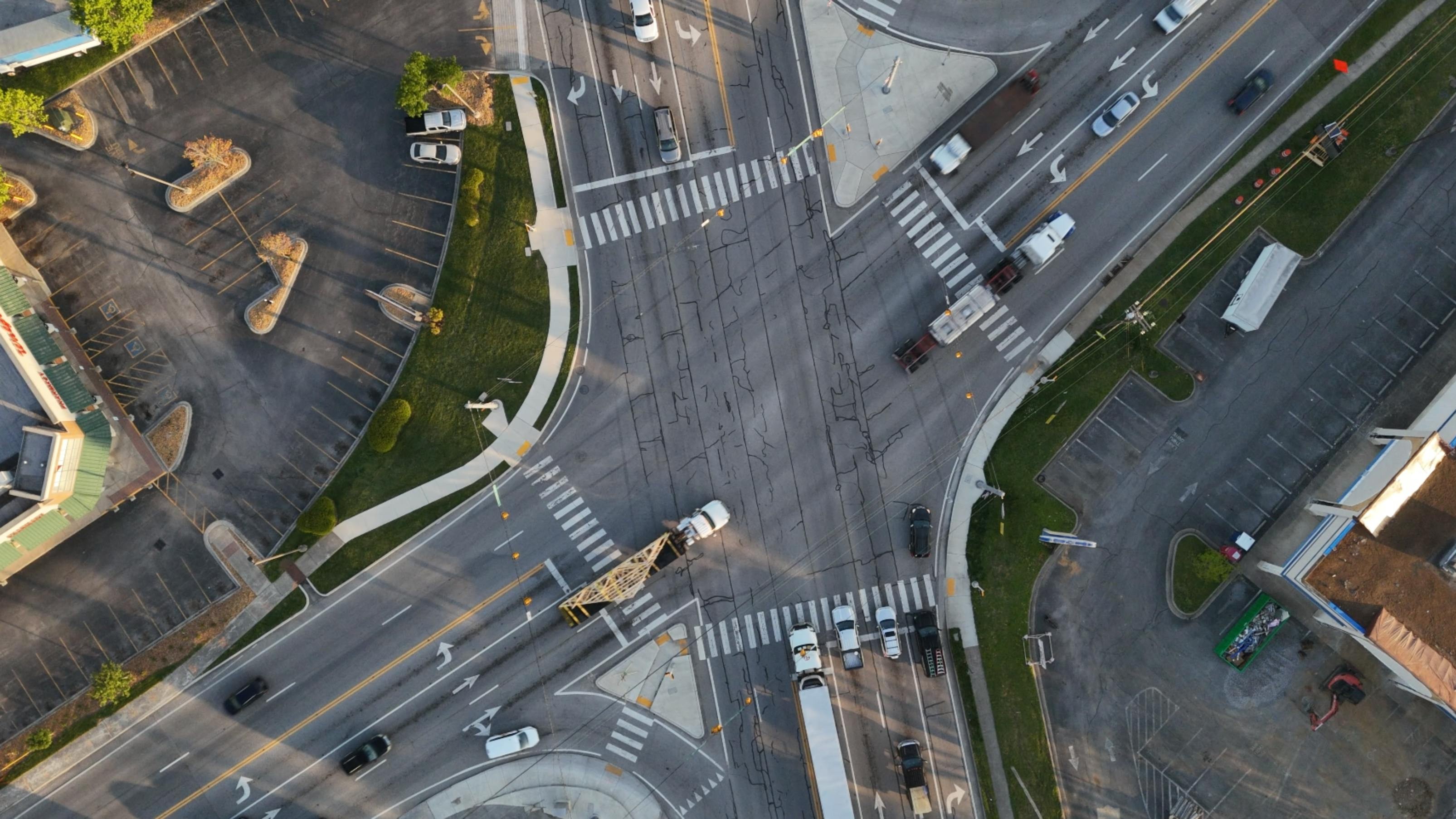
This guide explains the key driving differences between Japan and California, focusing on the habits and rule interpretations that most often surprise Japanese drivers.
Why Driving Feels So Different
The difference is not only about traffic rules — it is about mindset and responsibility behind the wheel. Japan and California encourage different types of driver behavior.
In Japan, road systems are designed to guide drivers gradually, with strong visual structure and coordinated movement. Drivers often rely on shared rhythm, courtesy signaling, and predictable flow. In California, drivers are expected to make more independent judgments within clearly written rules, often with less step-by-step guidance from the road environment itself.
California driving puts more emphasis on individual responsibility, faster decisions, and strict rule interpretation. Neither approach is better, but the expectations are different. Understanding this mindset shift is critical for smooth adaptation.
Right Turn on Red Is Common
One of the biggest surprises for Japanese drivers is that right turns on red lights are usually allowed in California. Instead of waiting for a green arrow, drivers are often permitted to decide for themselves when it is safe to turn.
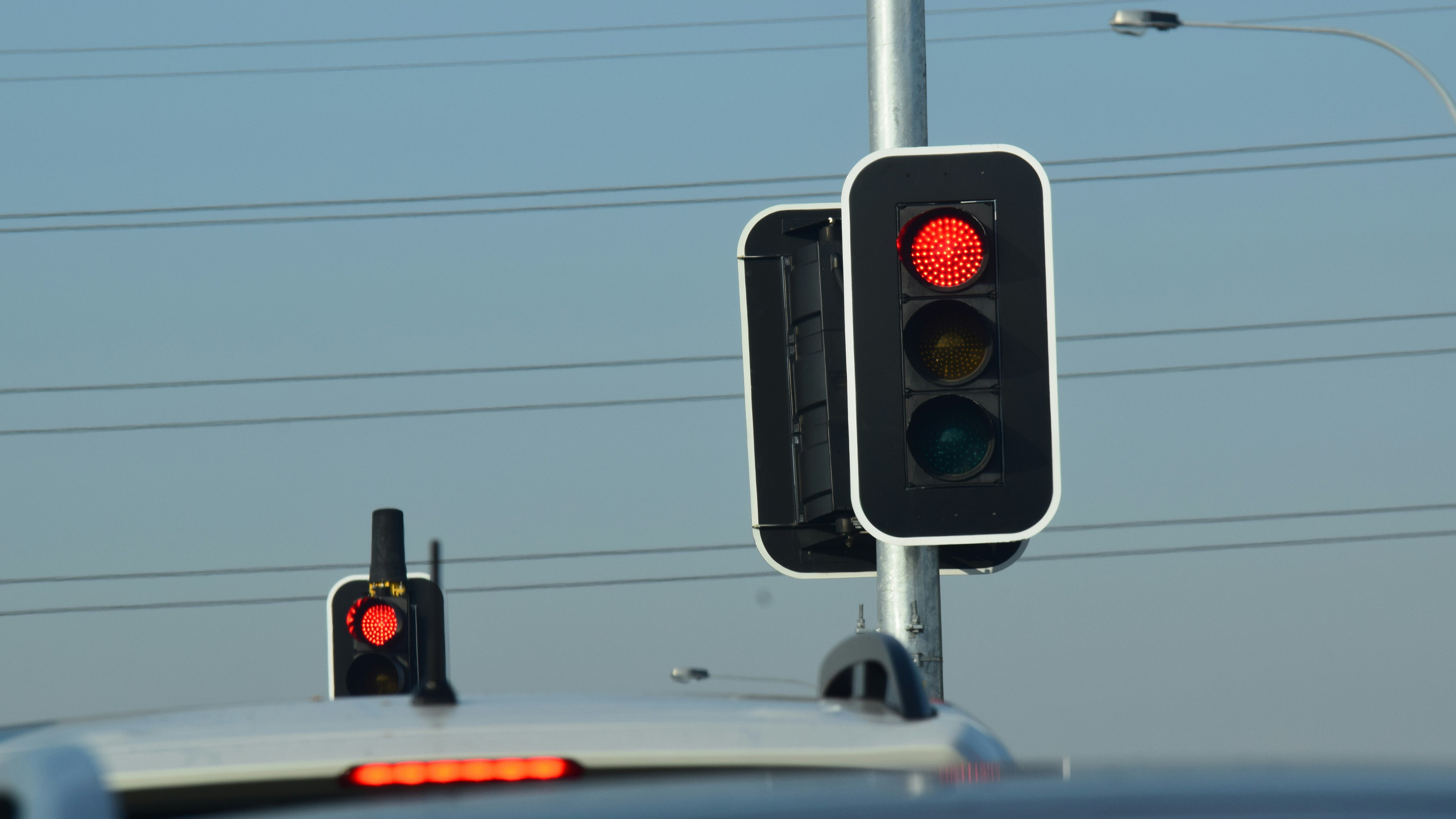
You are generally allowed to turn right on red unless a posted sign prohibits it, but you must come to a complete stop first and yield to pedestrians and cross traffic. Because this is uncommon in Japan, many drivers hesitate or perform the turn incorrectly at first. Taking your time and stopping fully prevents most problems.
STOP Signs Require Full Stops
STOP sign enforcement in California is very literal. Officers expect a complete wheel stop — not a slow roll or near-stop. The vehicle must fully stop before the line or crosswalk, and the driver must check conditions before proceeding.
A legal STOP means:
- full wheel stop
- stop before the line or crosswalk
- check traffic before moving
Rolling stops are commonly ticketed. Compared with Japan, where intersections often provide more structured signals, California places more responsibility on the driver to judge when it is safe to continue.
Speed Limits Are Legal Limits
Speed behavior also feels different to many newcomers. In California, posted speed limits are treated as legal limits, not flexible targets. Traffic may sometimes move faster than the posted number, but enforcement decisions are based on the sign — not the group.
Key realities drivers should remember:
- limits are legal standards
- small overages can be cited
- enforcement varies by area
- radar enforcement is common
Matching faster traffic does not guarantee safety from a stop.
Pedestrian Right-of-Way Is Strongly Enforced
Pedestrian protection is taken very seriously in California.
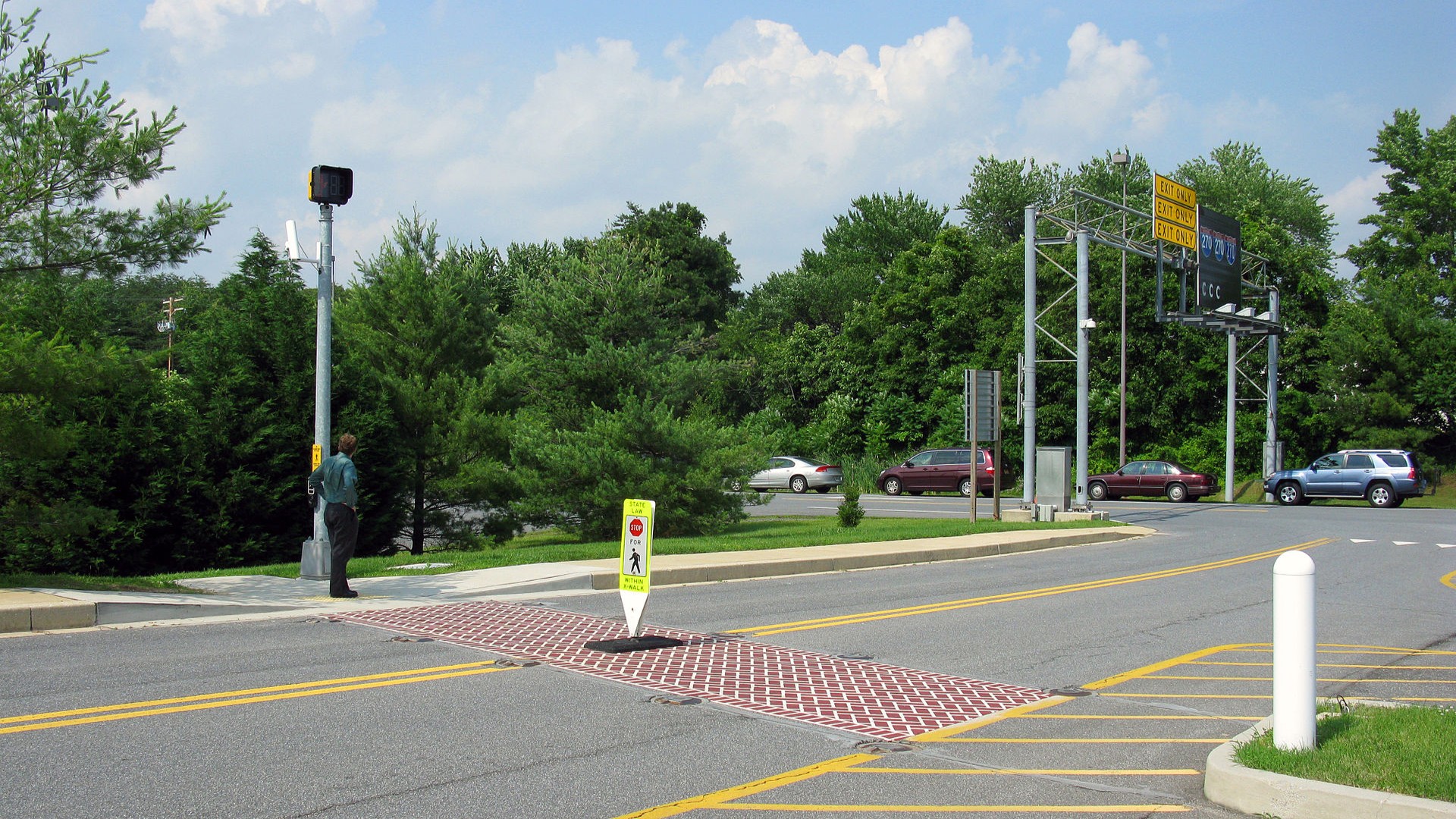
Drivers are expected to anticipate pedestrian movement and stop once a person enters a crosswalk, even if signals are not perfectly structured.
In practice, this means:
- drivers must stop for crosswalk entry
- right-of-way may apply without signals
- fines can be high for violations
Japanese drivers are often used to more structured pedestrian signaling, so this expectation requires adjustment.
Lane Changes and Merging Feel More Assertive
Lane behavior in California often feels faster and more assertive than in Japan. Drivers accept smaller gaps and change lanes more quickly. Courtesy exists, but predictability matters more than politeness.
You will commonly observe:
- quicker lane changes
- assertive merging
- fewer courtesy flashes
- less hazard-light communication
Predictable movement is valued more than polite hesitation.
Driver Communication Is More Direct
Communication between drivers is also more direct. Honking is more common and is often used as a warning signal rather than an emotional reaction. Many Japanese drivers interpret horns as anger, but in California they frequently mean “pay attention” rather than “I am upset.”
Typical patterns include:
- more frequent horn use
- short alert signals
- functional communication
Treat honks as information, not hostility.
Parking Enforcement Is Rule-Based
Parking control in California is sign-based and actively enforced. Many newcomers receive their first ticket from parking mistakes rather than moving violations. Streets often use time limits, curb colors, and street-cleaning windows instead of centralized parking guidance.
Common controls include:
- time-limited parking
- color-coded curbs
- strict cleaning schedules
- regular patrol enforcement
Why These Differences Matter
Most tickets issued to Japanese drivers are not caused by dangerous driving. They are caused by habit carryover and expectation gaps. Drivers assume rules function like they do in Japan, or that enforcement will be flexible.
Most early violations come from:
- habit carryover
- enforcement misunderstanding
- rule interpretation differences
Learning the differences early helps you avoid tickets, reduce stress, and build confidence faster.
Summary
Driving in California is less about memorizing more rules and more about adjusting your driving mindset and decision timing. Once expectations are clear, adaptation happens quickly.
Key differences to remember:
- right turn on red is usually allowed — after full stop
- STOP signs require complete stops
- pedestrian right-of-way is strongly enforced
- lane behavior is more assertive and individual
With awareness and practice, Japanese drivers can adapt smoothly and drive safely in California.
This article is part of the Daily Driving & Rule Differences series.
Frequently Asked Questions
Is driving in California more dangerous than Japan?
Not necessarily, but the driving style and expectations are different.
Do I need to change my driving habits immediately?
Yes. Adapting early helps prevent tickets and accidents.
Is honking considered rude in California?
Not always. It is often used as a warning or signal.
Enjoying this guide?
Get the next one in your inbox — no spam.
Get Notified When Courses Launch
Be the first to know when our DMV-licensed traffic courses become available. No spam, just one email.