
How to Read a California Traffic Ticket
Receiving a traffic ticket in California can feel confusing, especially if it is your first time and English is not your primary language. Many Japanese drivers are surprised by how detailed the ticket looks, with multiple boxes, codes, and legal phrases printed in small text.
The good news is that traffic tickets follow a consistent structure. Once you understand what each section represents, it becomes much easier to understand your situation and decide what to do next.
This guide explains how to read a California traffic ticket step by step, what each major section means, and which details deserve your attention first.
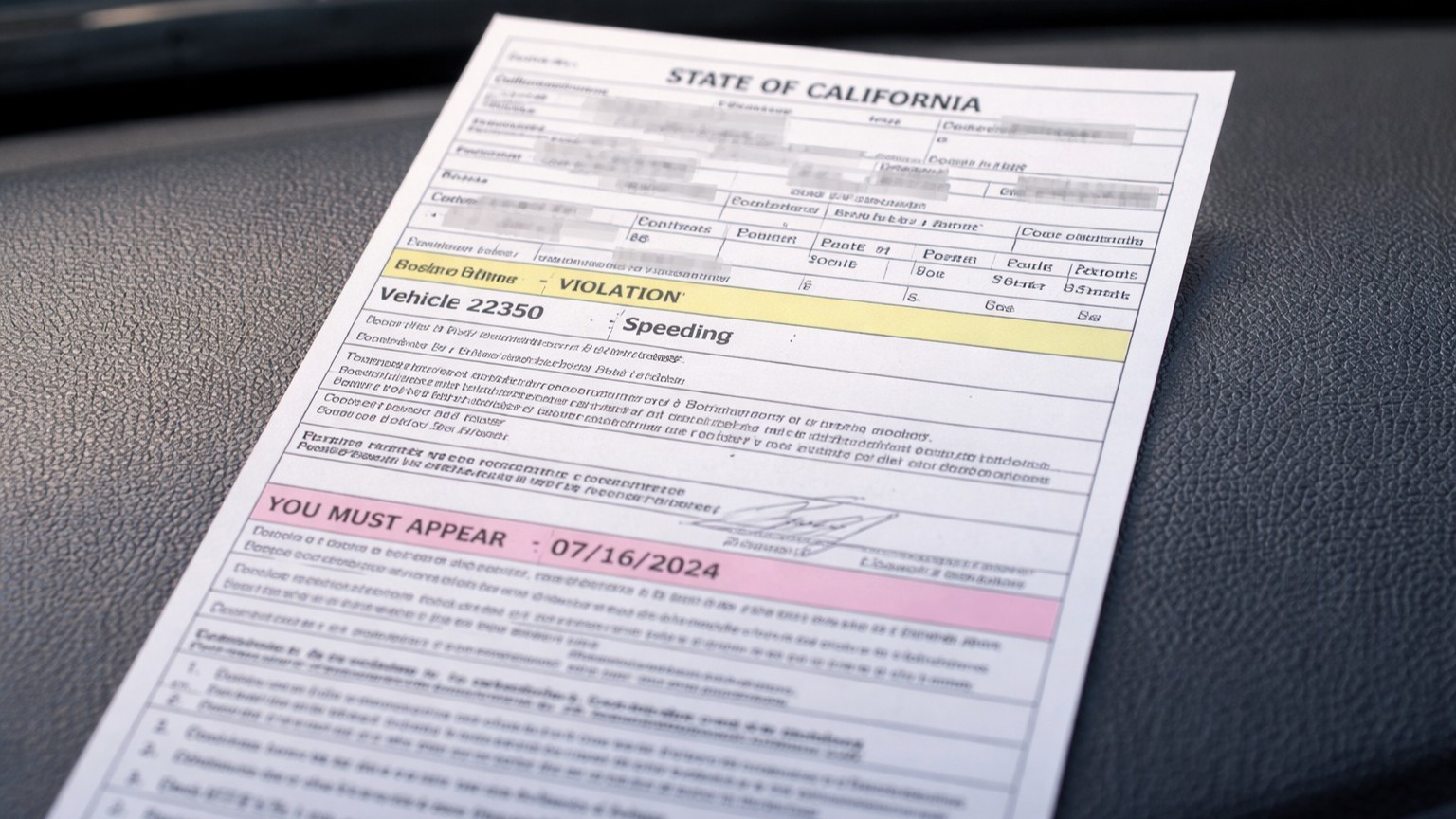
Why Understanding the Ticket Matters
A traffic ticket is not just a warning slip — it is a legal notice that contains deadlines and instructions. Your options and outcomes depend on how you respond to the information printed on it. Many problems happen not from the violation itself, but from misunderstanding or missing the response date.
Every ticket includes three critical elements: the violation reference, the response deadline, and the court instructions. If you focus on those first, you will understand your situation much more quickly.
Ignoring or delaying response can lead to higher fines, license issues, or additional legal steps, so careful reading is essential.
Main Sections You Will See on a Ticket
While layouts vary slightly across counties, most California traffic tickets contain the same core parts. You do not need to understand every word — only the functional sections.
Violation Information
This section describes what rule you are accused of violating. It includes a Vehicle Code number, a short written description, and the date and location of the incident. The code number is especially useful because it determines the violation category and whether traffic school might be available.
If the description is unclear, you can look up the code later — what matters first is identifying it correctly.
Court and Deadline Details
Another section lists which court is handling the ticket and the date by which you must respond.
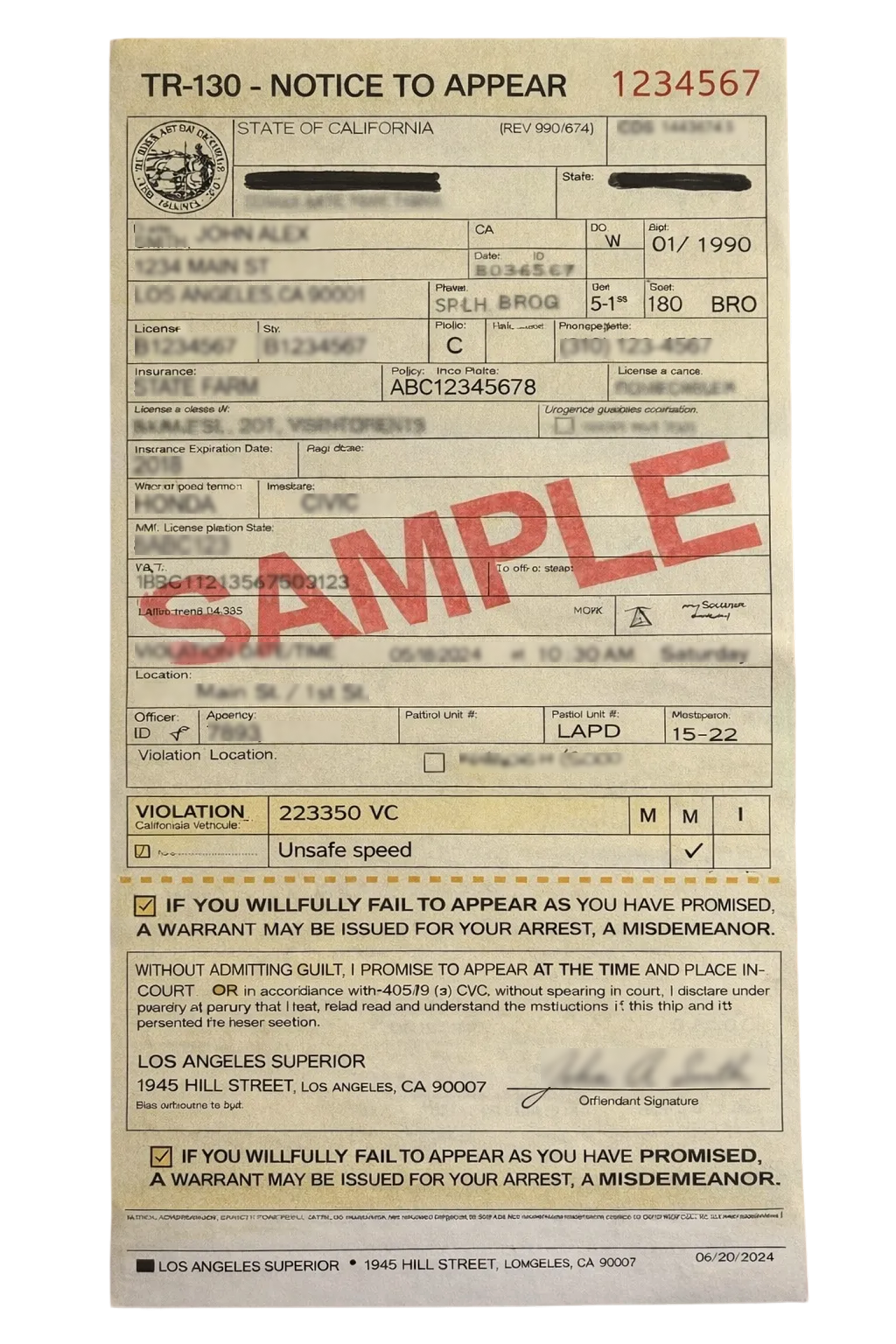
This deadline applies whether you plan to pay, contest, or request traffic school. Many drivers mistakenly wait until they decide — but the deadline does not move.
Always note the response date immediately and plan your action before it.
Fine or Bail Amount
Most tickets show an estimated fine or bail amount. This gives you a general cost expectation, but it may not include all added fees. Paying this amount usually counts as accepting responsibility and closes the case.
Do not pay immediately unless you are sure of your decision, because payment usually removes other options.
Officer Notes and Signature
Tickets include the officer’s signature and sometimes short handwritten notes. These notes are mainly for court reference and are not something drivers need to fully interpret. It is normal if they look abbreviated or unclear.
They are part of the record but not the priority section for you.
Your Signature
If you signed the ticket when it was issued, it only confirms that you received it. It does not mean you admitted guilt. This is standard California procedure and required for processing.
Many newcomers worry about this, but signing is simply acknowledgment.
Common Terms You May See
Traffic tickets use short legal labels that may look unfamiliar at first. These are standard terms used across California and are not a cause for alarm by themselves.
You may see terms such as:
- VC — Vehicle Code section
- Infraction — minor traffic violation
- Court appearance — may be required or optional
Focus first on instructions and deadlines rather than terminology.
Your Main Response Options
After reading the ticket, you will choose how to respond.
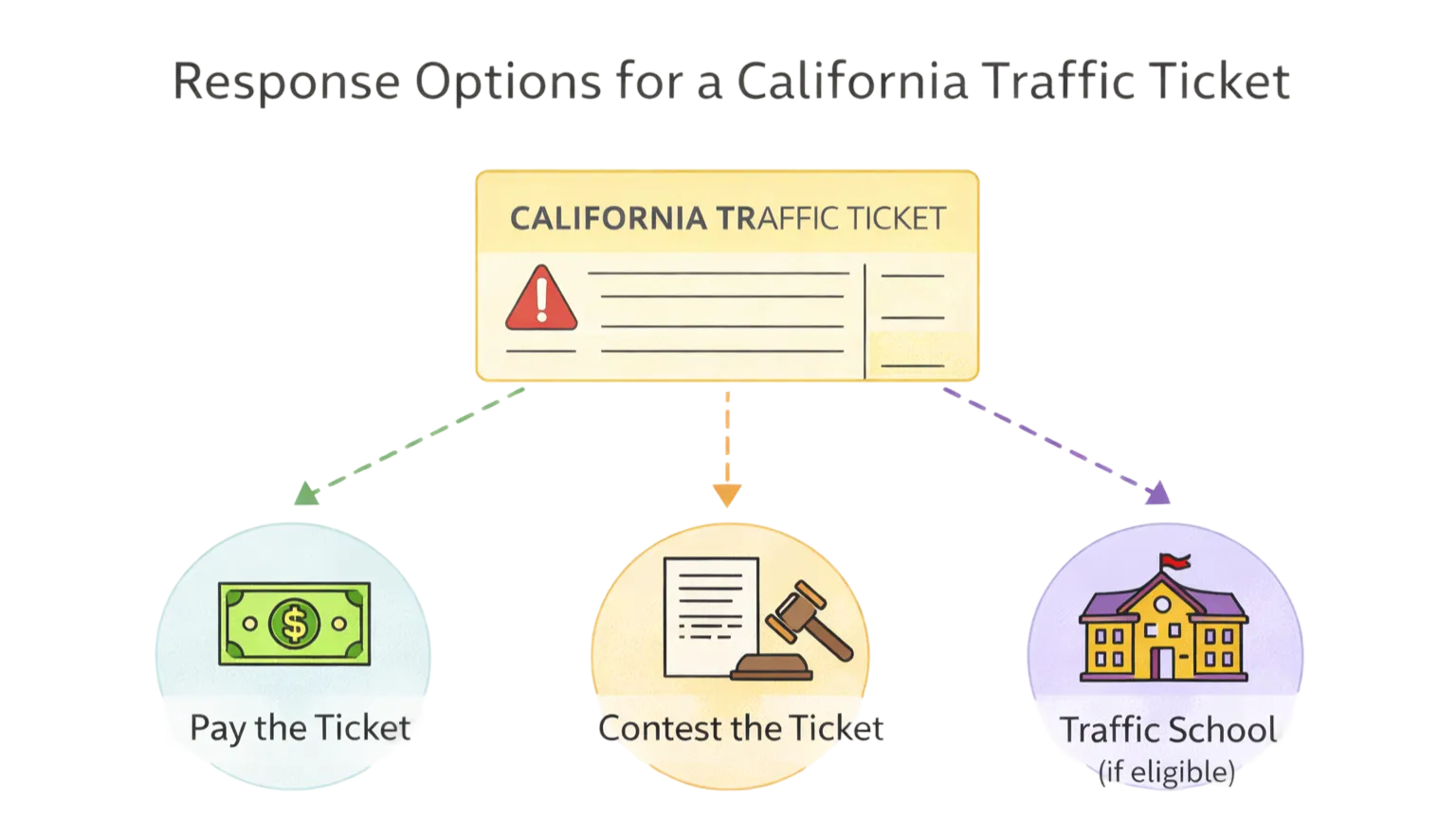
Most drivers have three possible paths, depending on eligibility and violation type. Each option leads to a different outcome, so choose carefully before acting.
You can generally:
- pay the ticket and close the case
- contest the ticket in court
- request traffic school if allowed
Related guide: What Happens If You Get a Traffic Ticket in California
Traffic School Eligibility
If traffic school is permitted, that information appears on the ticket or later court notice. You must request it and complete a DMV-licensed course by the deadline. Traffic school does not erase the violation, but it can help protect your record visibility when eligible.
Always confirm eligibility before enrolling.
Missing the Deadline Causes Bigger Problems
Failing to respond on time creates more serious consequences than most minor violations. Courts treat non-response as non-compliance, which can trigger additional penalties.
Possible outcomes include:
- increased fines
- license suspension
- collection actions
Respond early — even if you are still deciding.
Practical Tips for Japanese Drivers
Because tickets are dense in English, simple organization helps prevent mistakes. Creating your own reference copy and timeline reduces stress and confusion.
Helpful habits:
- photograph the ticket clearly
- translate key lines
- keep related documents together
- mark the deadline immediately
Small preparation makes a big difference.
Summary
A California traffic ticket may look complicated, but it follows a predictable structure. Once you identify the violation code, deadline, and instructions, your next steps become clearer.
Remember:
- check the violation code
- find the response deadline
- signing is not guilt
- you have options
- missing deadlines creates bigger trouble
Understanding the ticket helps you respond calmly and correctly.
Frequently Asked Questions
What if I don’t understand the violation code?
You can look it up online or seek guidance before responding.
Can I change my response after paying the ticket?
Usually, no. Payment typically closes the case.
Is traffic school always available?
No. Eligibility depends on the violation and your driving history.
Enjoying this guide?
Get the next one in your inbox — no spam.
Get Notified When Courses Launch
Be the first to know when our DMV-licensed traffic courses become available. No spam, just one email.