
Parking Rules in California Explained (Avoid Tickets)
Parking rules in California are strict, sign-based, and actively enforced. For many Japanese drivers, parking feels confusing at first because restrictions are shown through stacked signs, curb colors, and time limits rather than one simple instruction.
Because of this system, parking violations are one of the most common reasons newcomers receive tickets — even when they believe they parked correctly. Learning how to read signs and spot restrictions can save you money and stress.
This guide explains how California parking rules work, how to read signs and curb colors, and how to avoid the most common mistakes.
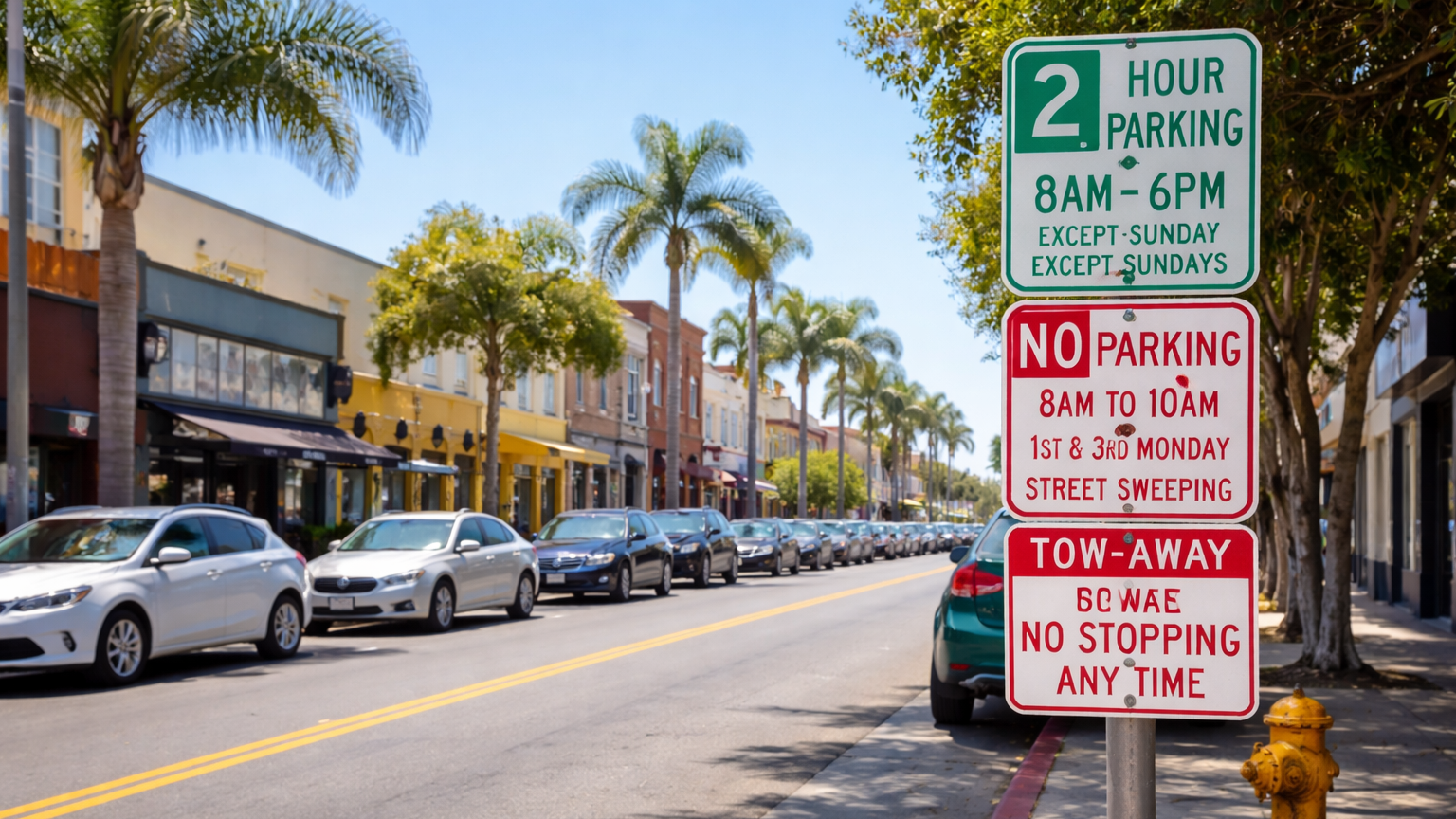
Why Parking Enforcement Is So Strict
In most California cities, parking enforcement is routine and systematic. Rules can change by block, by hour, and by day of the week. Officers and parking patrol vehicles check regularly, and tickets are often issued without warning.
Unlike Japan, where parking guidance is often centralized or facility-based, California expects drivers to check posted signs every time they park — even if they have used the same street before.
Tickets are common because rules often vary by:
- block and street side
- hour and weekday
- special cleaning or permit windows
Even small timing mistakes can result in a citation.
How to Read Parking Signs Correctly
Parking signs are often stacked vertically on one pole.
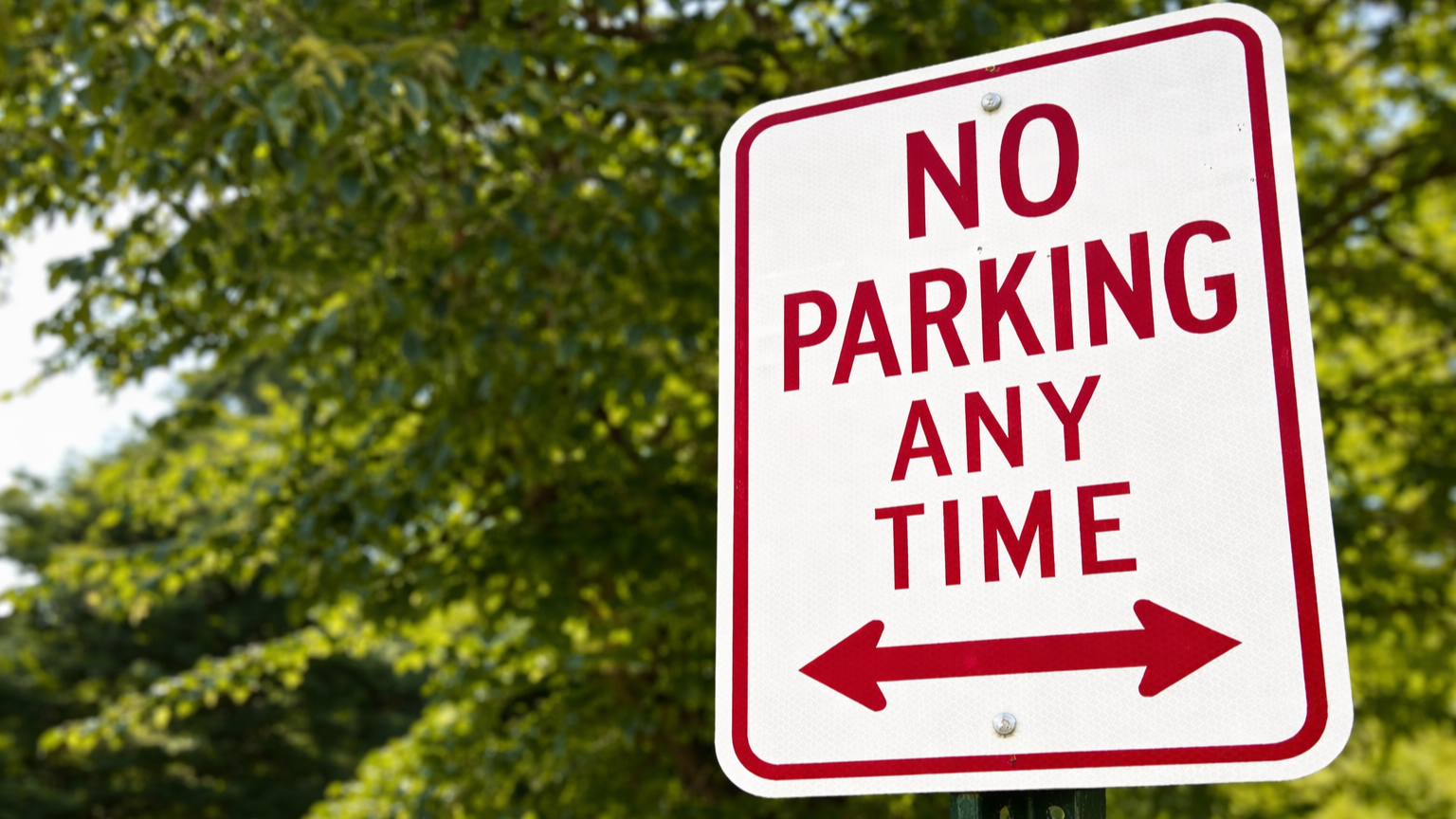
They must be read together, not separately. A driver who reads only the top sign may miss a lower restriction and receive a ticket.
Before leaving your car, pause and read the full sign set slowly. Pay attention to arrows, time ranges, and weekday labels. Never assume the rule is the same as your last visit.
Good parking sign habits include:
- read from top to bottom
- follow arrow directions carefully
- check days and hours
- assume all listed rules apply
Understanding Curb Colors
California uses curb paint colors to communicate restrictions quickly. These colors are enforceable rules, not suggestions — even short stops can be ticketed.
The most common curb meanings are:
- red — no stopping or parking
- white — passenger loading only
- yellow — commercial loading zone
- green — time-limited parking
- blue — disabled parking only
If the curb is painted, assume the color rule applies at all times unless a nearby sign adds conditions.
Time Limits and Street Cleaning Windows
Many legal parking spaces still include time limits. A space marked “2 Hour Parking” is enforced strictly, and exceeding the time — even by a small amount — can lead to a ticket.
Street cleaning rules are another major ticket source. These restrictions apply only during posted hours, which makes them easy to miss. During cleaning windows, parking is not allowed even if the street looks empty.
Always double-check posted time windows and weekday labels before leaving your vehicle.
Places You Cannot Park — Even Without Signs
Some parking restrictions come from general traffic law and apply even if there is no visible sign. New drivers are often surprised by this.
You may not park in locations such as:
- next to fire hydrants
- too close to intersections
- in front of driveways
- across crosswalk areas
Hydrant and driveway violations are among the fastest tickets issued.
Residential Permit Areas
Many residential neighborhoods use permit systems and visitor limits. These rules may change at night or on weekends and are controlled by city programs.
Always check neighborhood signs carefully. Do not assume residential streets are unrestricted.
What Happens If You Get a Parking Ticket
Parking tickets are usually placed on the windshield or mailed to the registered owner. The notice includes payment instructions and a deadline. While parking tickets usually do not affect your driving record or insurance, ignoring them creates larger problems.
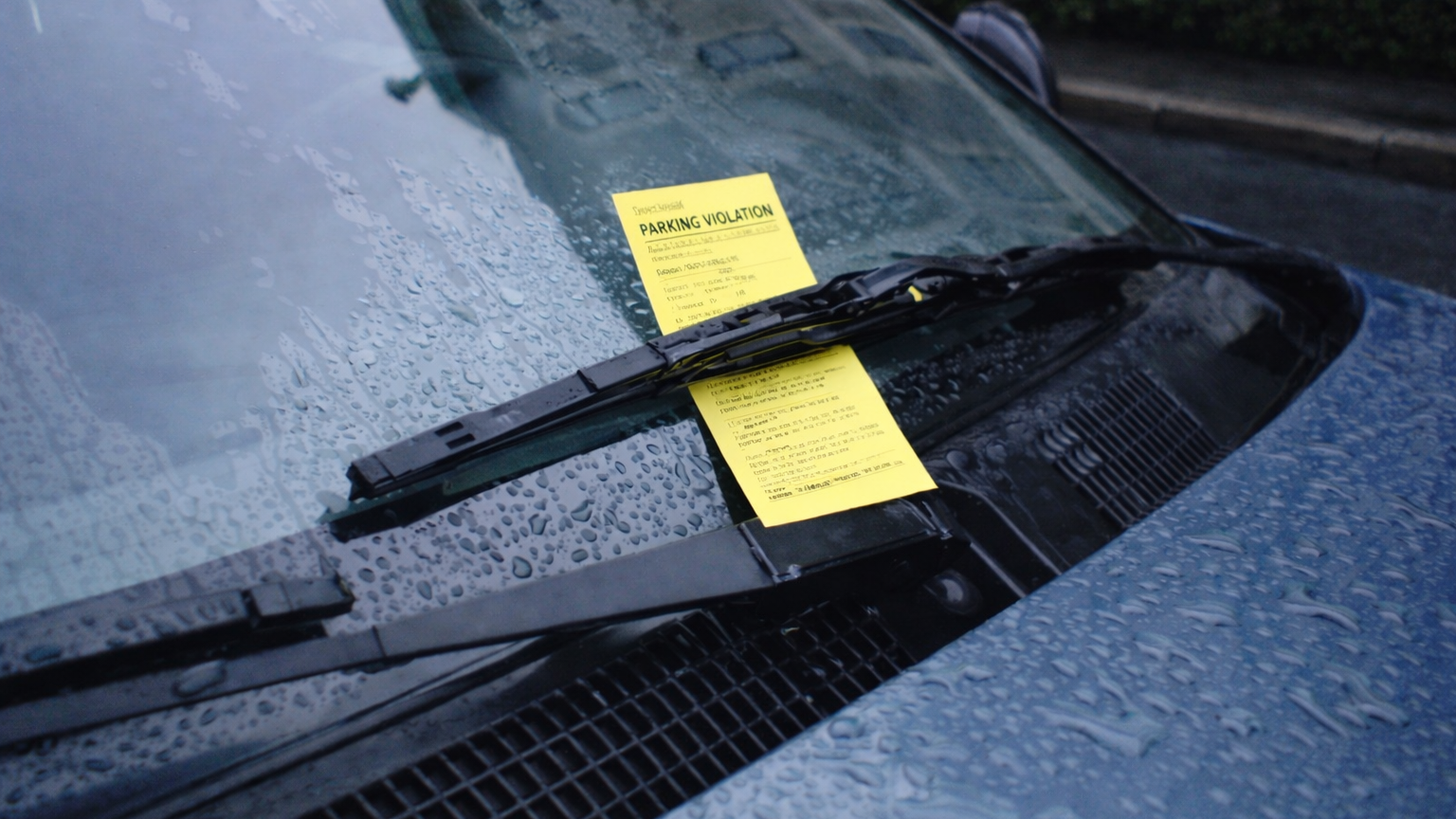
Unpaid tickets can lead to added penalties, registration holds, and collection action. It is always better to respond quickly.
Habits That Help You Avoid Tickets
Most parking tickets are preventable with a few careful habits. Taking a few extra seconds before walking away from your car makes a big difference.
Practical habits include:
- take a photo of the sign after parking
- double-check time limits
- never assume “just a few minutes” is safe
- move if markings are unclear
Caution is cheaper than tickets.
Summary
Parking rules in California are clear but strictly enforced. Drivers are expected to read every sign, follow curb color rules, and respect time limits exactly.
The most important reminders are simple: read the full sign stack, check curb colors, confirm time windows, and avoid uncertain spots. With careful attention, most parking tickets are easy to avoid.
Frequently Asked Questions
Can I park for a short time in a red curb area?
No. Red curbs prohibit stopping at all.
Do parking rules apply on weekends?
Sometimes. Always check the sign.
Will parking tickets affect my insurance?
Usually no, but unpaid tickets can cause other issues.
Enjoying this guide?
Get the next one in your inbox — no spam.
Get Notified When Courses Launch
Be the first to know when our DMV-licensed traffic courses become available. No spam, just one email.