
How Police Traffic Stops Work in the U.S. (For Japanese Drivers)
Being stopped by police while driving can feel stressful, especially in a foreign country. For many Japanese drivers, a U.S. traffic stop feels unfamiliar — flashing lights, officers approaching the vehicle, and spoken instructions in English can create uncertainty about what to do next.
In reality, most traffic stops in California are routine and procedural.
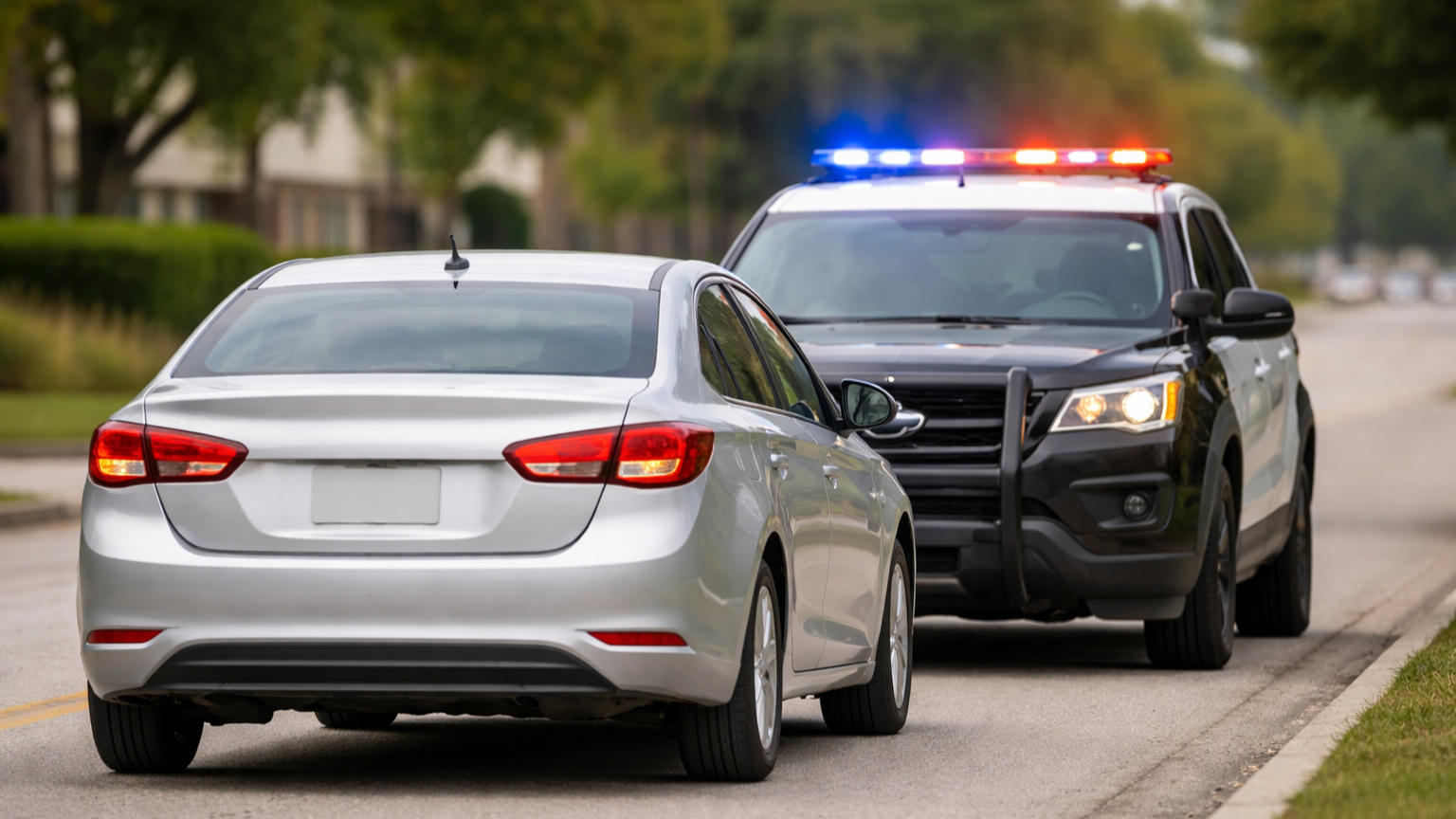 Understanding how they typically work — and what officers expect from drivers — helps you stay calm and respond correctly. This guide explains what usually happens step by step and how Japanese drivers can handle a police stop safely and confidently.
Why Police Stop Drivers in California
Police stops are common and are not automatically a sign of serious trouble. Officers stop vehicles for both violations and safety reasons. In many cases, the stop is brief and informational.
Common reasons include:
- speeding or other traffic violations
- broken lights or vehicle equipment issues
- expired registration tags
- safety checks or incident response
Even careful drivers are sometimes stopped. What matters most is how you respond during the interaction.
What To Do When You See Police Lights
If a police vehicle activates flashing lights behind you, you are legally required to pull over. Do not panic and do not stop suddenly in an unsafe place. Signal and move to the right side of the road as soon as it is safe.
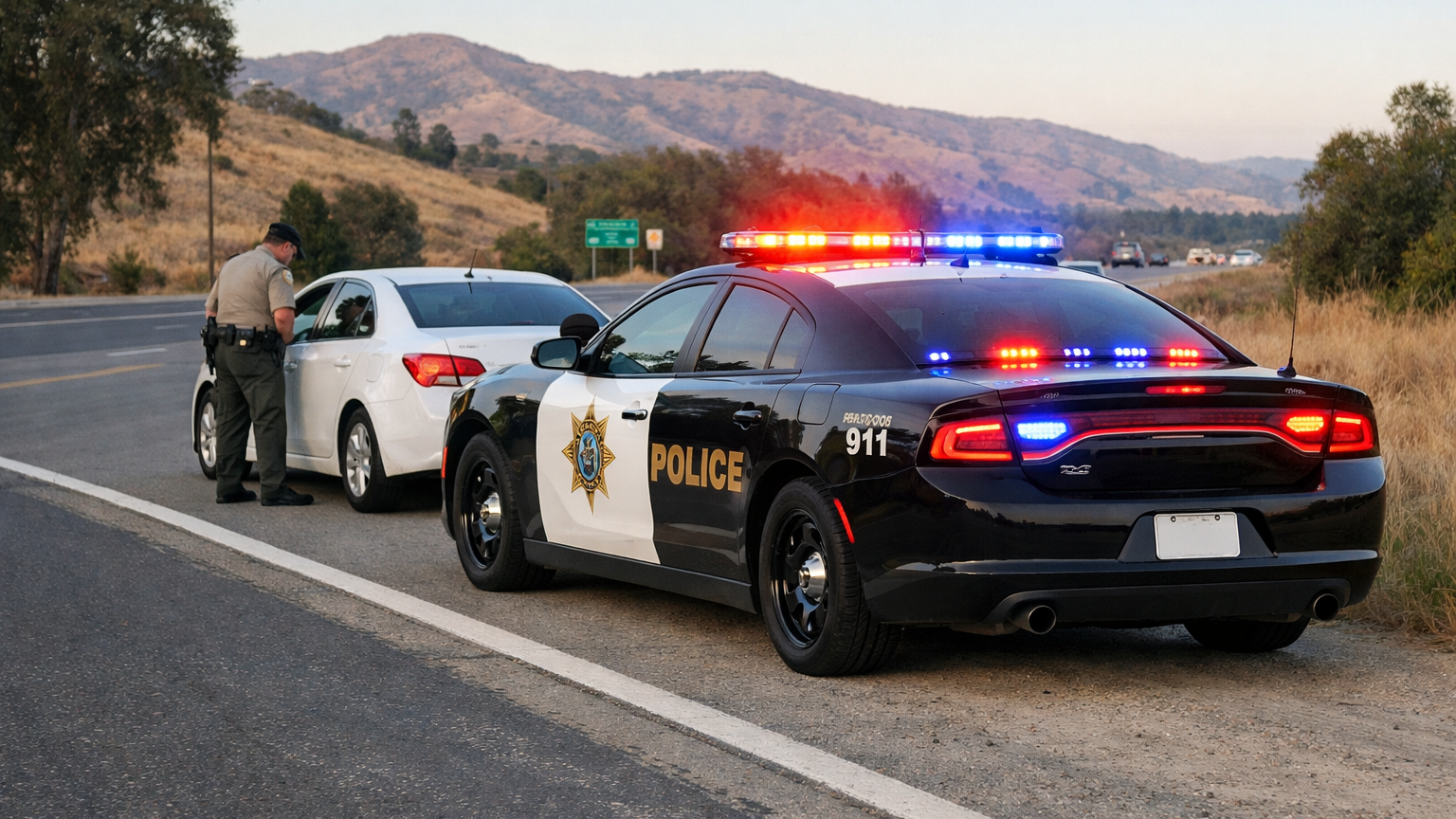
After stopping, remain inside your vehicle and make your actions easy to see. Officers are trained to watch for safety risks first, so visible and calm behavior helps the stop go smoothly.
Best practice is to:
- pull over safely and promptly
- turn off the engine
- stay seated in the car
- keep your hands visible on the steering wheel
Do not drive away, even if you are unsure why you were stopped.
What Officers Usually Ask For
During most traffic stops, the officer will ask for your driving documents.
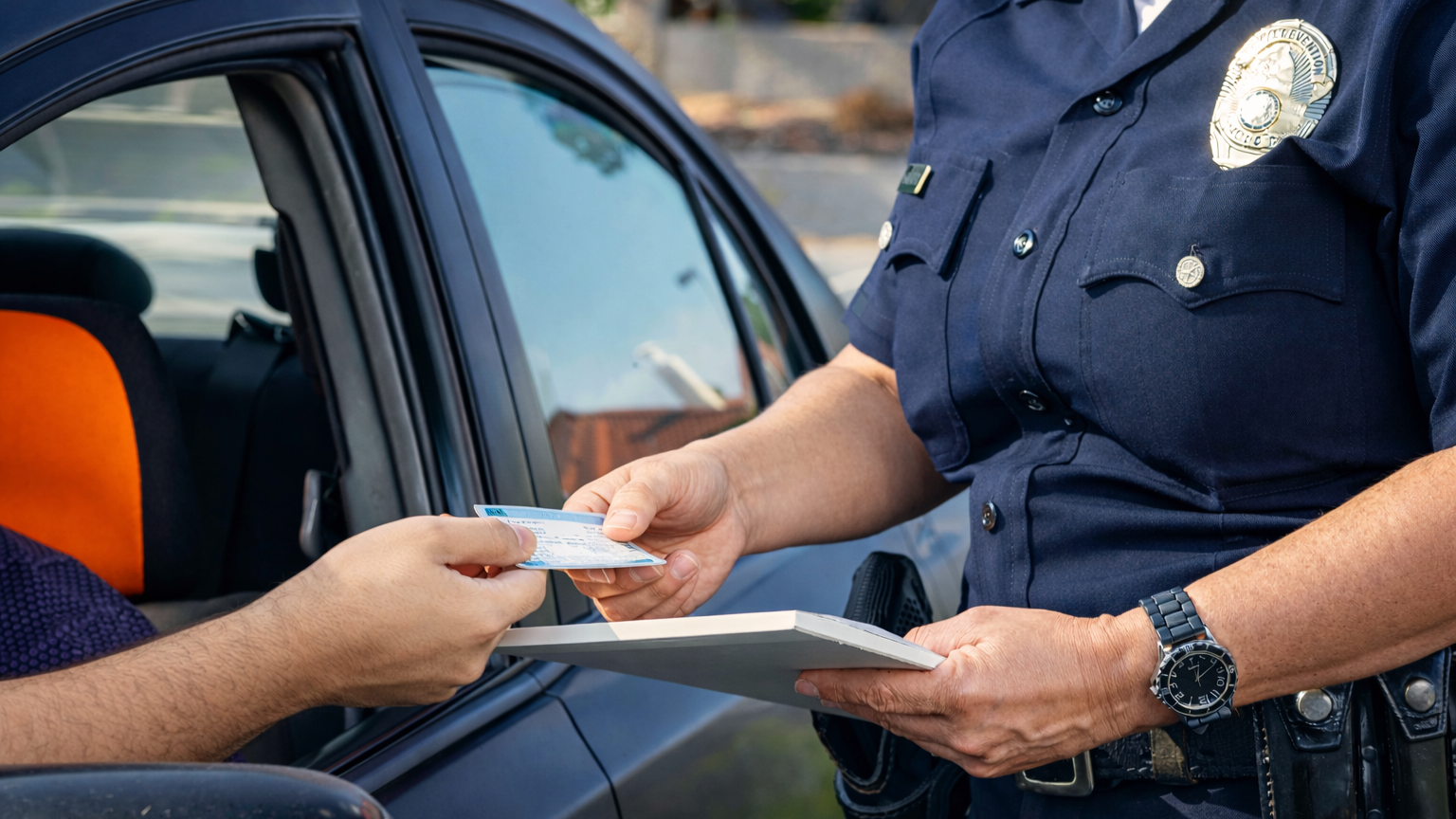
The request is standard and does not mean you are in serious trouble.
You will usually be asked to provide:
- your driver’s license
- International Driving Permit (IDP) if you are using a Japanese license
- vehicle registration
- proof of insurance
Wait until the officer asks before reaching for anything. If your documents are in a bag or glove compartment, it is okay to say where they are before moving your hands.
Related guide: What Documents You Must Carry While Driving in California
How to Communicate with the Officer
Communication during a stop is expected to be simple and respectful. You are not required to argue your case at the roadside, and the stop is not the place to debate the violation.
You are expected to stay calm, follow instructions, and answer basic questions. You are not required to admit guilt or give long explanations.
If your English is limited, it is acceptable to say:
“My English is limited.”
“Could you please speak slowly?”
Officers encounter non-native speakers regularly. Clear and polite communication is enough.
Should You Get Out of the Car?
In most traffic stops, you should remain inside your vehicle. Do not exit unless the officer specifically tells you to do so. Getting out without instruction can create safety concerns.
If you are asked to step out, follow the instructions calmly and slowly. Sudden movements are what officers are trained to watch for — not respectful compliance.
If You Receive a Ticket
If the officer decides to issue a ticket, the process is straightforward.
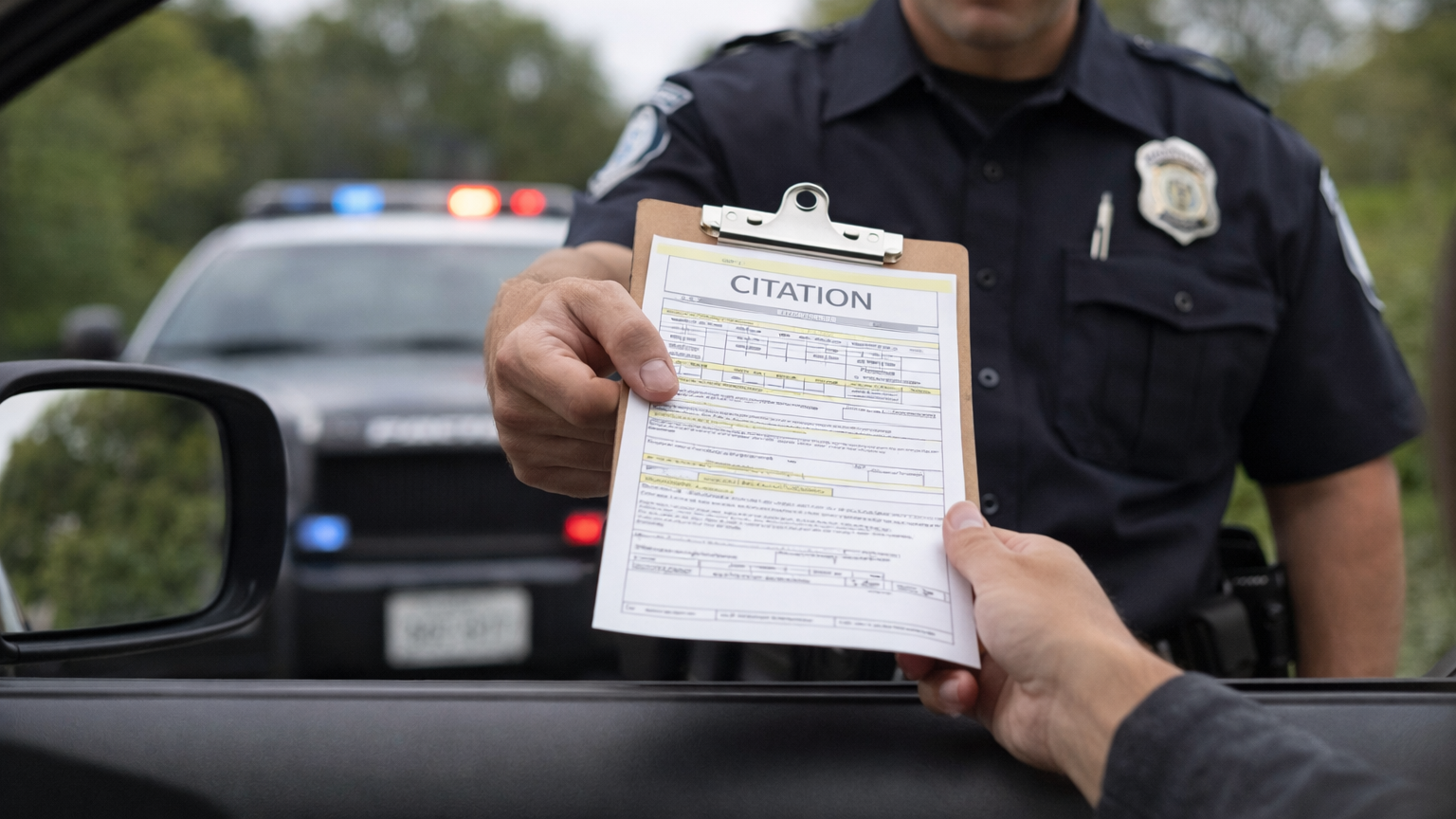 You will be given a printed notice with violation details and response instructions.
If you receive a ticket:
- stay calm and polite
- accept the document
- sign if requested
Signing is not an admission of guilt. It only confirms you received the ticket. Your options — paying, contesting, or attending traffic school — come later.
Related guide: What Happens If You Get a Traffic Ticket in California
What Not to Do During a Traffic Stop
Many problems during stops happen because drivers act too quickly or emotionally. Calm behavior keeps the situation short and safe.
Avoid these mistakes:
- reaching suddenly for bags or pockets
- exiting the vehicle without permission
- arguing at the roadside
- ignoring instructions
Think slow, visible, and respectful.
Cultural Differences That Surprise Japanese Drivers
Police stop procedures in the U.S. can feel different from those in Japan. Officers often approach from behind the vehicle, may stand slightly back from the window, and usually communicate more directly. These are normal safety practices, not signs of hostility.
Understanding these differences reduces fear and helps you interpret the officer’s behavior correctly.
Summary
A U.S. police traffic stop may feel intimidating at first, but the process is structured and predictable. Most stops are routine and end quickly when drivers stay calm and cooperative.
Key reminders:
- pull over safely and remain in the car
- keep your hands visible
- provide documents when asked
- stay calm and polite
- signing a ticket is not admitting guilt
Preparation and understanding turn a stressful moment into a manageable one.
Frequently Asked Questions
Do I have to sign a traffic ticket?
Yes. Signing only confirms receipt, not guilt.
Can police take my car immediately?
Only in specific situations, such as driving without insurance or a valid license.
What if I don’t understand English well?
You may politely ask the officer to speak slowly.
Enjoying this guide?
Get the next one in your inbox — no spam.
Get Notified When Courses Launch
Be the first to know when our DMV-licensed traffic courses become available. No spam, just one email.