
Renting a Car in California as a Japanese Driver
For many newcomers from Japan, renting a car is the first practical step to getting around in California. Outside a few major cities, public transportation is limited, and daily life often depends on driving. Because of this, many visitors and newly arrived residents use rental cars before deciding whether to buy a vehicle.
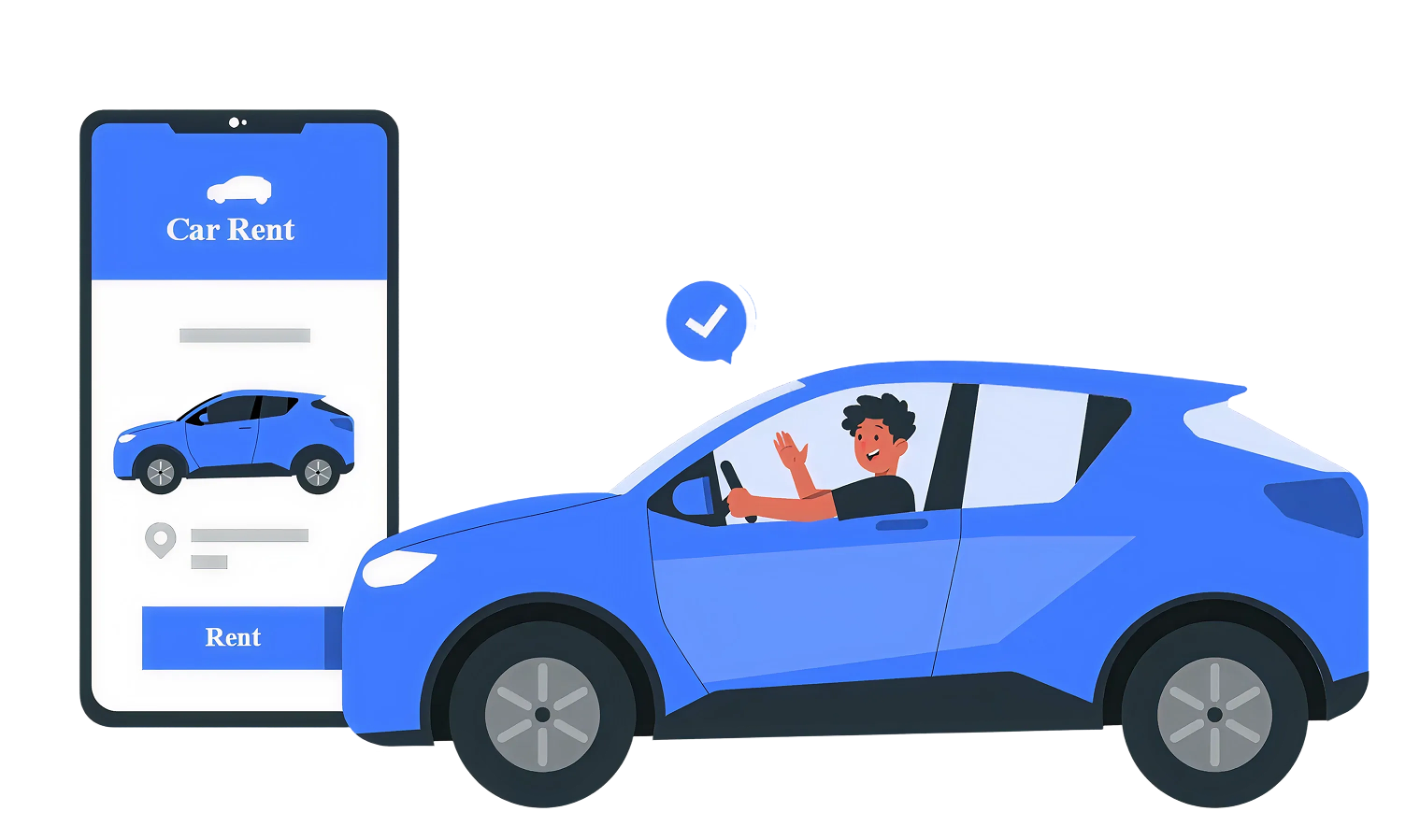
However, U.S. rental procedures can feel confusing at first. Document requirements, insurance options, and contract terms are different from Japan, and language barriers at the counter can add pressure. With the right preparation, though, the process is usually straightforward.
This guide explains how Japanese drivers can rent a car in California smoothly, what documents are typically required, and how to avoid common rental counter problems.
Can Japanese Drivers Rent a Car in California?
Yes — Japanese drivers can rent cars in California if they meet the rental company’s conditions. Approval is based on company policy rather than nationality. Most major rental brands regularly serve foreign drivers.
In general, rental companies look for three things: a valid license, acceptable identification, and approved payment. Age rules also apply and may affect pricing and vehicle choice. Because policies vary by company and location, it is smart to review requirements before you arrive.
Most companies approve rentals when the driver has:
- a valid driver’s license
- acceptable photo identification
- a payment method in the driver’s name
Preparation prevents last-minute refusals.
Documents Rental Companies Usually Require
Rental counters verify identity and driving eligibility before releasing a vehicle.
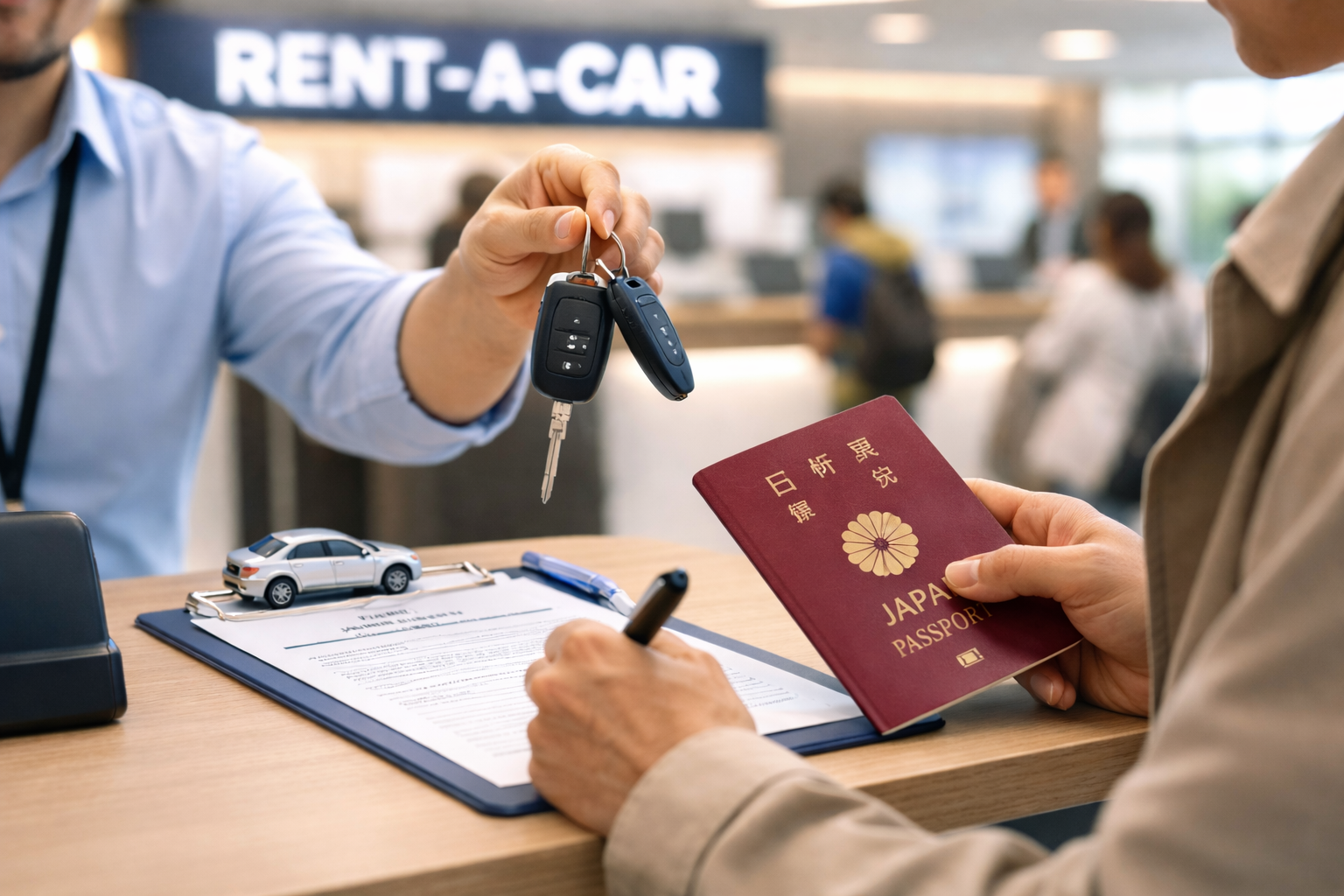
Japanese drivers are commonly asked to show multiple documents so staff can confirm license validity and identity.
In most cases, you should bring:
- Japanese driver’s license
- International Driving Permit (IDP)
- passport
- credit card in the driver’s name
Some companies may refuse the rental if the license is not readable in English or if no IDP is provided. Others may decline if the payment method does not meet their fraud-prevention rules. Having all documents ready makes the pickup process much smoother.
Why an IDP Is Important for Car Rentals
Even when state law does not strictly require an IDP, many rental companies do. The reason is practical, not legal. Rental staff must be able to read and verify license details quickly, and most Japanese licenses are not in English.
An International Driving Permit acts as an official translation and reduces confusion at the counter. It also helps if you are later asked for documents during a traffic stop while driving the rental vehicle.
Remember these IDP basics:
- must be issued in Japan before departure
- IDPs issued in the U.S. are not valid
Having one greatly increases the chance of smooth approval.
Age Requirements and Young Driver Fees
Age rules are strict and standardized across most rental companies. While exact policies differ, the overall structure is similar statewide.
Most California rental companies:
- require drivers to be at least 21
- charge extra fees under age 25
- limit certain vehicle classes for younger drivers
Some companies also require additional insurance coverage for drivers under 25. Always check age rules before booking so there are no surprises at pickup.
Understanding Rental Car Insurance Options
Insurance is the most confusing part of the rental process for many newcomers.
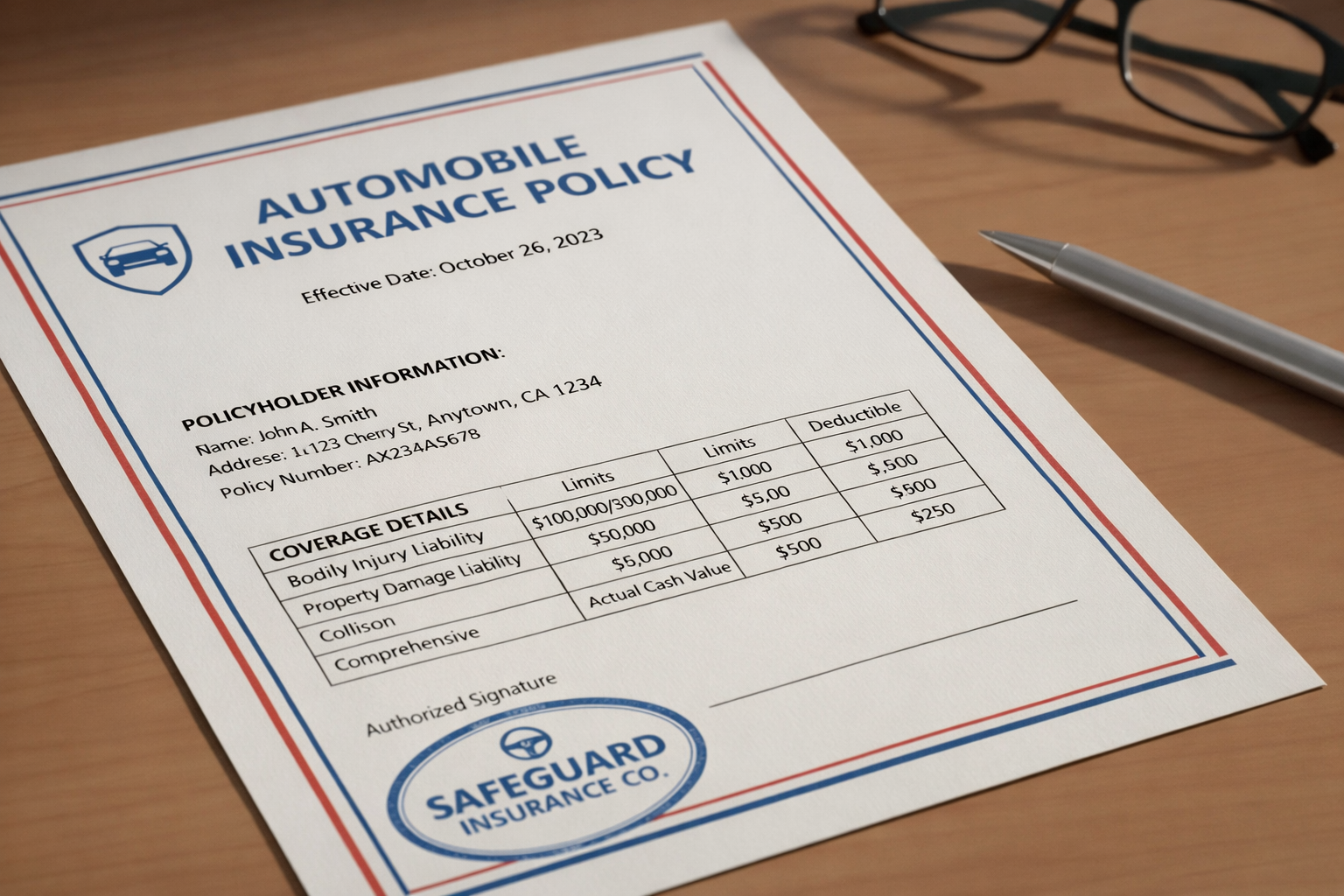
At the counter, staff often present several optional coverage products quickly, which can feel overwhelming.
Rental insurance may include liability coverage, collision damage waivers, and supplemental protection. While these options are technically optional, declining coverage without understanding your existing protection can be risky.
You may be offered:
- liability coverage
- collision damage waiver
- supplemental protection
Important facts to remember:
- rental insurance is optional but often recommended
- credit card coverage may be limited
- coverage rules vary by provider
Review your credit card benefits in advance if you plan to rely on them.
If You Are Stopped by Police in a Rental Car
Traffic stops in a rental car follow the same basic process as any other stop. Officers verify driver eligibility and vehicle authorization. The difference is that your proof of permission comes from the rental contract instead of vehicle ownership.
If stopped, officers may ask for:
- driver’s license
- IDP (if applicable)
- rental agreement
- proof of insurance
The rental agreement usually serves as proof that you are authorized to operate the vehicle.
Common Rental Problems — and How to Avoid Them
Most rental issues happen because of missing documents or misunderstood insurance terms, not because drivers are ineligible. These problems are preventable with simple preparation.
Frequent issues include:
- refusal due to missing IDP
- insurance confusion
- unexpected extra fees
To reduce risk:
- obtain your IDP before leaving Japan
- review rental policies ahead of time
- keep all documents together
- ask questions before signing
Never feel pressured to sign a contract you do not understand.
Renting vs Buying a Car
Renting is usually the better first step for short stays or transition periods. It allows flexibility while you learn local driving rules and decide your long-term transportation needs.
Renting makes more sense if you:
- are staying short-term
- want flexibility
- are not ready to buy
Buying may be better if you plan to stay long-term and drive daily. Cost efficiency improves over time with ownership.
Summary
Japanese drivers can rent cars in California without difficulty when properly prepared. Rental companies mainly check license validity, identity, age, and payment method. Most problems occur when required documents are missing or insurance terms are misunderstood.
To rent smoothly, remember to bring:
- valid driver’s license
- International Driving Permit
- passport
- credit card
Preparation turns the rental process into a routine step instead of a stressful one.
This article is part of the Your First Weeks Driving in California series.
Frequently Asked Questions
Is an IDP always required to rent a car?
Many rental companies require it, even if not strictly required by law.
Can I rent a car immediately after arriving in California?
Yes, as long as you meet the rental company’s requirements.
Can I use a debit card instead of a credit card?
Some companies allow it, but restrictions often apply.
Enjoying this guide?
Get the next one in your inbox — no spam.
Get Notified When Courses Launch
Be the first to know when our DMV-licensed traffic courses become available. No spam, just one email.