
What Happens If You Get a Traffic Ticket in California
Getting a traffic ticket in California can feel stressful — especially if you are new to the U.S. driving system and unfamiliar with how enforcement works. Many Japanese drivers worry that a ticket automatically means serious trouble.
Common questions include: Is this serious? Will it affect my license or immigration status? What should I do next?
The good news is that most traffic tickets are manageable when you understand the process. This guide explains what a California traffic ticket means, what usually happens afterward, and how to respond calmly and correctly.

First: Stay Calm — Traffic Tickets Are Common
Traffic tickets are issued every day in California and do not automatically mean a criminal problem. Most are routine civil violations.
Typical reasons tickets are issued include:
- speeding
- rolling through STOP signs
- improper turns or lane changes
- parking violations
- rule misunderstandings
In most situations, a ticket is a civil traffic matter, not a criminal charge.
What Information Appears on a Traffic Ticket
A California traffic ticket contains the key details you need for your next steps.
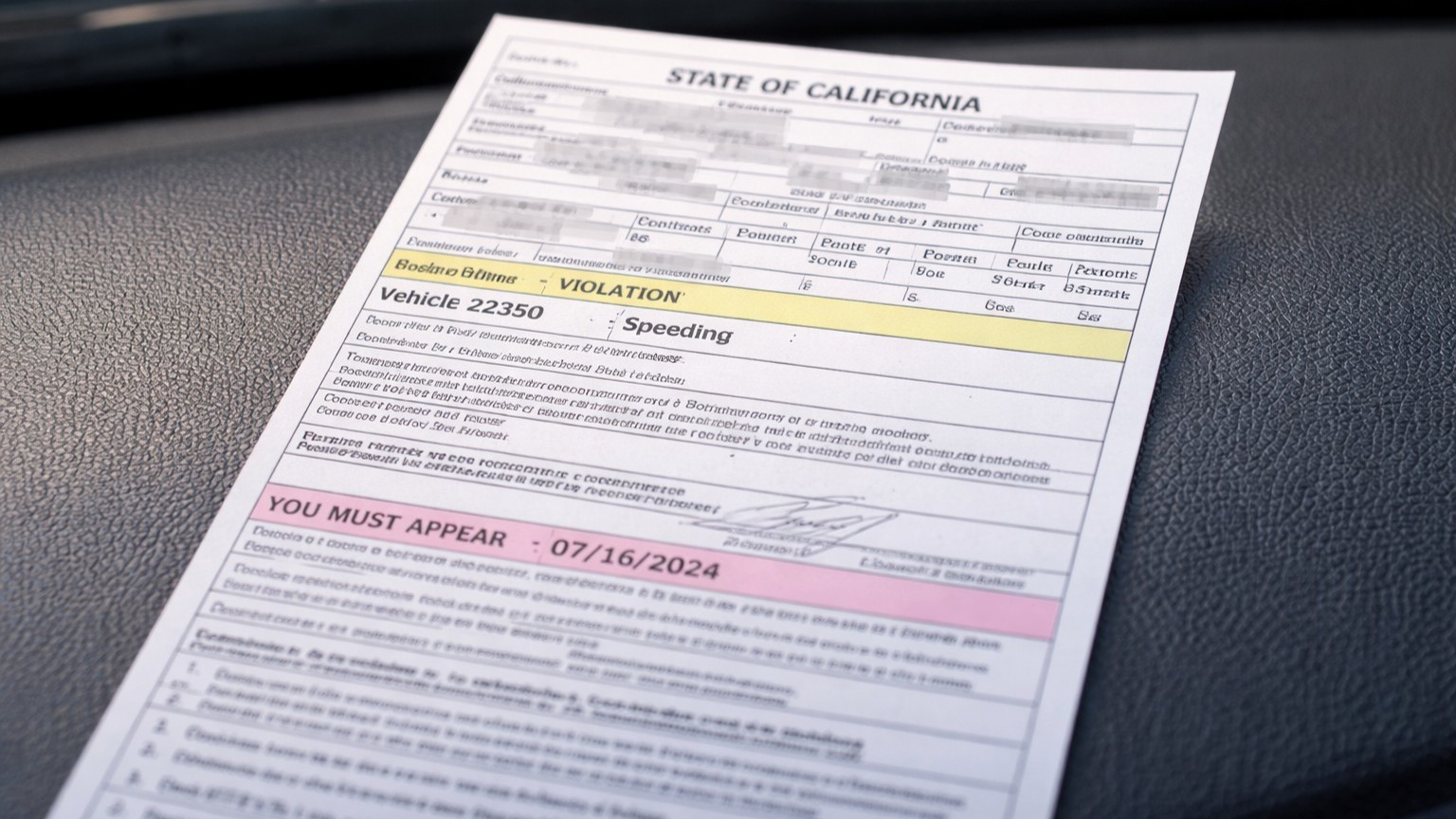
You are not expected to make decisions at the roadside — action happens afterward.
A ticket usually lists:
- the alleged violation
- date, time, and location
- court or payment deadline
- response instructions
- citation or ticket number
Always read the ticket carefully after you leave.
Do You Have to Sign the Ticket?
Yes — you are generally required to sign. Signing is procedural and does not mean you agree with the officer.
Signing the ticket:
- confirms you received it
- is not an admission of guilt
- allows the process to move forward
Refusing to sign can create additional legal complications, so it is best to sign calmly.
Your Options After Receiving a Ticket
After you receive a ticket, you usually have several response options. The correct choice depends on the violation type and your driving record.

Common options include:
- Pay the fine
- closes the case quickly
- counts as accepting responsibility
- may add points to your record
- Contest the ticket in court
- plead not guilty
- requires time and preparation
- outcome varies
- Attend traffic school (if eligible)
- often available for minor violations
- may prevent points from affecting your record
Check your ticket or court notice for eligibility details.
Will a Traffic Ticket Affect Your Driver’s License?
It depends on the type of violation. Moving violations are treated differently from non-moving violations.
Tickets that may affect your record:
- speeding tickets
- moving violations
- unsafe driving citations
Tickets that usually do not affect your license:
- parking tickets
- equipment violations
However, even non-moving tickets still require payment.
Does a Traffic Ticket Affect Immigration Status?
For most minor traffic violations, the answer is no. Standard traffic tickets are not immigration issues.
Typical minor violations:
- do not affect visas
- do not change immigration status
- are handled as traffic matters only
Serious offenses — such as DUI or reckless driving — are different and should be handled with legal advice.
What Happens If You Ignore a Ticket?
Ignoring a ticket creates bigger problems than the ticket itself. Deadlines matter in California traffic cases.
Possible consequences include:
- increased fines
- license suspension
- court actions
- vehicle registration problems
Always respond by the deadline printed on the ticket.
What To Do Right After Receiving a Ticket
A calm, organized response prevents most follow-up problems. Handle the ticket promptly instead of delaying.
Recommended steps:
- read the ticket carefully
- note the response deadline
- check your response options
- decide whether to pay, contest, or attend traffic school
- keep copies of all documents
Early action reduces stress and risk.
When Traffic School Is an Option
For many minor violations, traffic school allows you to complete a DMV-licensed course instead of taking license points.
Traffic school may allow you to:
- complete a certified course
- keep points off your visible record
- reduce insurance impact
Eligibility depends on your violation and recent driving history.
Summary
Receiving a traffic ticket in California is stressful, but usually manageable. Most tickets are civil matters and can be handled through payment, court response, or traffic school.
Key points to remember:
- tickets are common and usually not criminal
- signing is not an admission of guilt
- you have response options
- deadlines are important
- ignoring tickets creates bigger problems
Understanding the process helps you respond calmly and correctly.
Frequently Asked Questions
Is a traffic ticket very serious?
Most minor tickets are not serious if handled properly.
Can I pay the ticket online?
Yes, most California courts allow online payment.
Should I go to traffic school?
If eligible, traffic school is often a good option.
Enjoying this guide?
Get the next one in your inbox — no spam.
Get Notified When Courses Launch
Be the first to know when our DMV-licensed traffic courses become available. No spam, just one email.